Sneakers date faster than almost anything else a man wears. A shoe that looked sharp a few years ago can look like a time stamp today, mostly because of oversized logos, loud color blocking and silhouettes tied to one season’s trend. The good news is that a handful of simple design choices predict which pairs will still look right in ten years.
This guide covers those choices, the classic styles that have already proved they last, how to judge build quality, and how to keep a good pair looking clean.

What makes a sneaker age well
- A low, slim profile. Silhouettes that follow the shape of the foot have been around for decades. Very chunky “dad” soles and exaggerated shapes come and go in cycles.
- Quiet branding. A small logo or none at all. A giant logo ties the shoe to a moment and a marketing campaign.
- Neutral colors. White, off-white, black, navy, grey and tan go with almost everything and don’t signal a particular year.
- Simple materials. Smooth leather, suede and canvas age gracefully. Mixed panels of mesh, plastic overlays and reflective trim tend to date.
- A design with a long track record. If a shoe has been in production for decades with only small changes, it isn’t a trend.
From experience: The most common mistake I’ve seen in more than 20 years of helping people find quality clothing is buying what’s hip, and brands that date quickly. Ed Hardy is my favorite example: everywhere for a few years, then instantly dated. Sneakers covered in a trendy brand’s logo work the same way.
Classic styles that have already lasted
These silhouettes have been worn for decades and are widely available. The point isn’t to buy a specific brand, but to recognize the shape you’re looking for.
| Style | Well-known examples | Best with |
|---|---|---|
| Minimal leather court shoe | adidas Stan Smith, Common Projects Achilles, Veja V-10 | Chinos, jeans, casual suits |
| Canvas high-top or low-top | Converse Chuck 70 | Jeans, shorts, casual weekend wear |
| Canvas skate shoe | Vans Authentic or Era | Shorts, relaxed jeans |
| Suede trainer | adidas Samba or Gazelle, Onitsuka Tiger Mexico 66 | Jeans, casual trousers |
| Grey running-inspired shoe | New Balance 990 series | Jeans, weekend wear, travel |
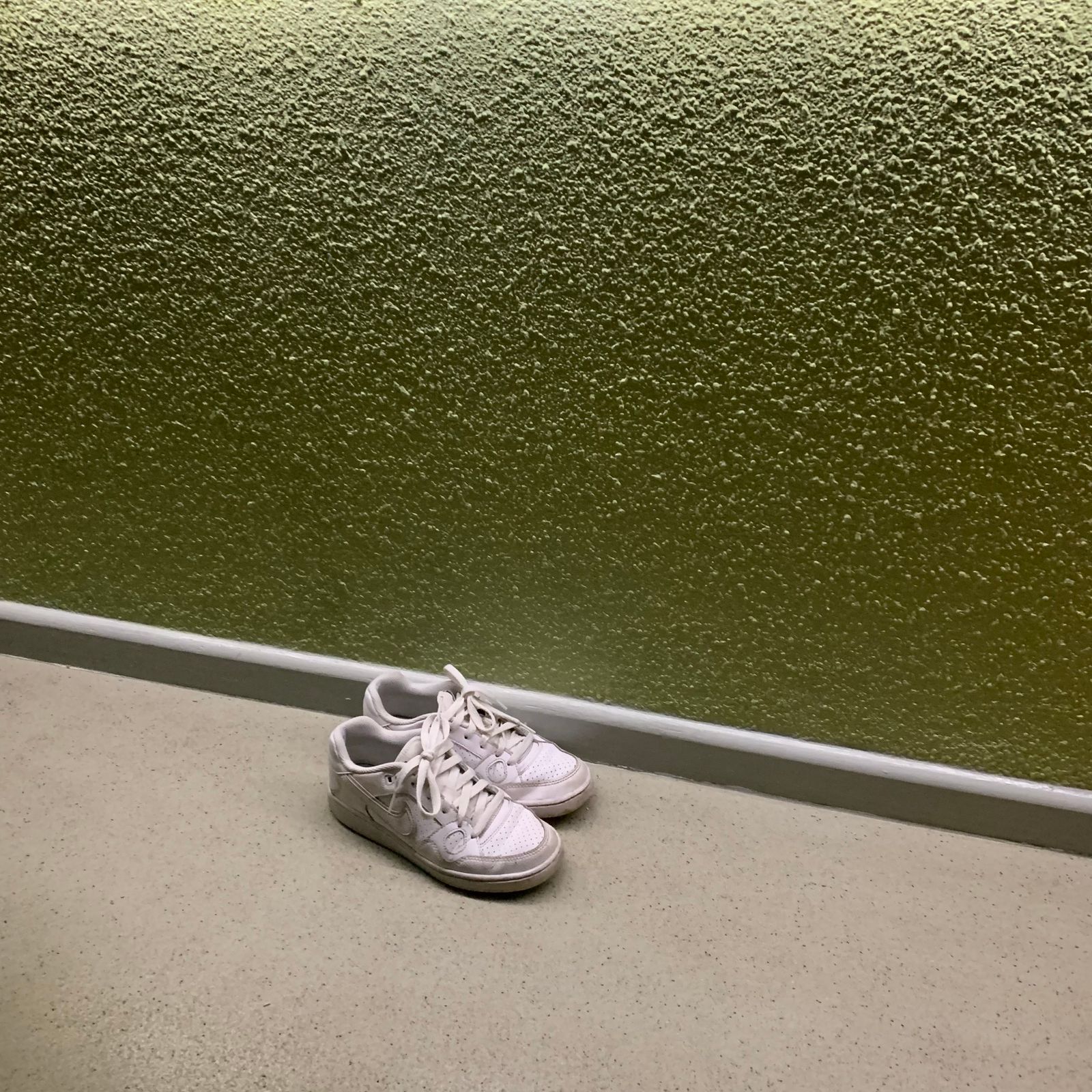
If you own only one pair, make it a clean white or off-white leather court shoe. It works with more outfits than any other sneaker, including relaxed tailoring.
How to judge build quality
Uppers
Full-grain leather is the gold standard for a minimal sneaker. It creases naturally and takes polish or cream. Lower-grade leather with a heavy plastic coating looks shiny in the box but cracks along the creases. For suede, look for an even nap with no bald patches; for canvas, a tight, heavy weave.
Soles and construction
Most sneakers have a cemented or molded sole, which means they can’t be resoled in the traditional sense. A stitched cupsole, where the rubber sole wraps up the sides and is stitched to the upper, is far more durable than a sole that is only glued. You can usually see the stitching running around the edge.
Lining and insole
A leather lining breathes better and lasts longer than synthetic fabric. A removable insole is a plus: you can replace it when it flattens and dry the shoe out properly.
For a broader framework you can use on any purchase, see how to judge quality before you buy anything.
How to wear sneakers like an adult
- Keep them clean. A scuffed, grey white sneaker undoes an otherwise sharp outfit.
- Match formality. Minimal leather sneakers can go with chinos, a knit and even an unstructured suit; canvas and suede trainers belong with casual clothes.
- Mind the trouser length. Slightly cropped or no-break hems show the shoe cleanly; long, pooling jeans hide it.
- Choose no-show or low socks with low-tops in warm weather, and plain socks otherwise.
- Don’t wear them where dress shoes are expected. See the only three pairs of shoes a man truly needs for how sneakers fit into a small shoe rotation.
Care that keeps them looking new
- Brush off dirt after wear, and wipe leather with a damp cloth and a little mild soap.
- Condition leather sneakers a few times a year, as you would dress shoes.
- Use a suede brush and eraser on suede, and a protector spray before the first wear.
- Spot-clean canvas by hand; machine washing can weaken the glue on cemented soles.
- Replace laces when they go grey. It’s the cheapest refresh there is.
- Store them with shoe trees or stuffed paper, and rotate pairs so each one dries out between wears.
From experience: My own style has become simpler and less about brands over the years. Now I look at the material, the workmanship and how something feels on. That’s a good test for sneakers too.
When a trendy pair is fine
None of this means you can never buy a fashionable sneaker. It just means being clear about what you’re buying. A few ground rules keep trend purchases from crowding out the basics:
- Build the foundation first. Own one or two classic pairs before adding anything seasonal.
- Spend less on the trend. A shoe you expect to wear for a season or two doesn’t need the most expensive materials.
- Buy it because you like it, not because everyone has it. If you’d still wear it once the hype fades, it’s a reasonable buy.
- Keep the count low. One statement pair alongside a few classics is plenty for most wardrobes.
Key takeaways
- Pick a low, slim silhouette with small or no branding.
- Stick to neutral colors and simple materials: leather, suede or canvas.
- Favor styles that have been in production for decades.
- Look for full-grain leather and a stitched cupsole.
- Clean and rotate them, and replace laces and insoles as they wear.
Sneakers are rarely a lifetime purchase, so the cost-per-wear logic matters even more here. Read cost-per-wear and cost-per-use to see why a slightly better pair worn often is usually the smarter buy.
FAQ
Are white sneakers still in style?
Plain white leather sneakers have been a menswear staple for decades and show no sign of disappearing. The specific shape matters more than the color: slim and low ages better than chunky.
Can you wear sneakers with a suit?
With a casual, unstructured suit, clean minimal leather sneakers can work. For business or formal settings, stick with leather dress shoes.
How long should a good pair of sneakers last?
It depends on how often you wear them and on construction. A well-made leather pair with a stitched cupsole, rotated and cleaned, will outlast a cheaply glued pair worn every day by a wide margin.
Updated November 2026. Some links on this site may be affiliate links; see our editorial policy.