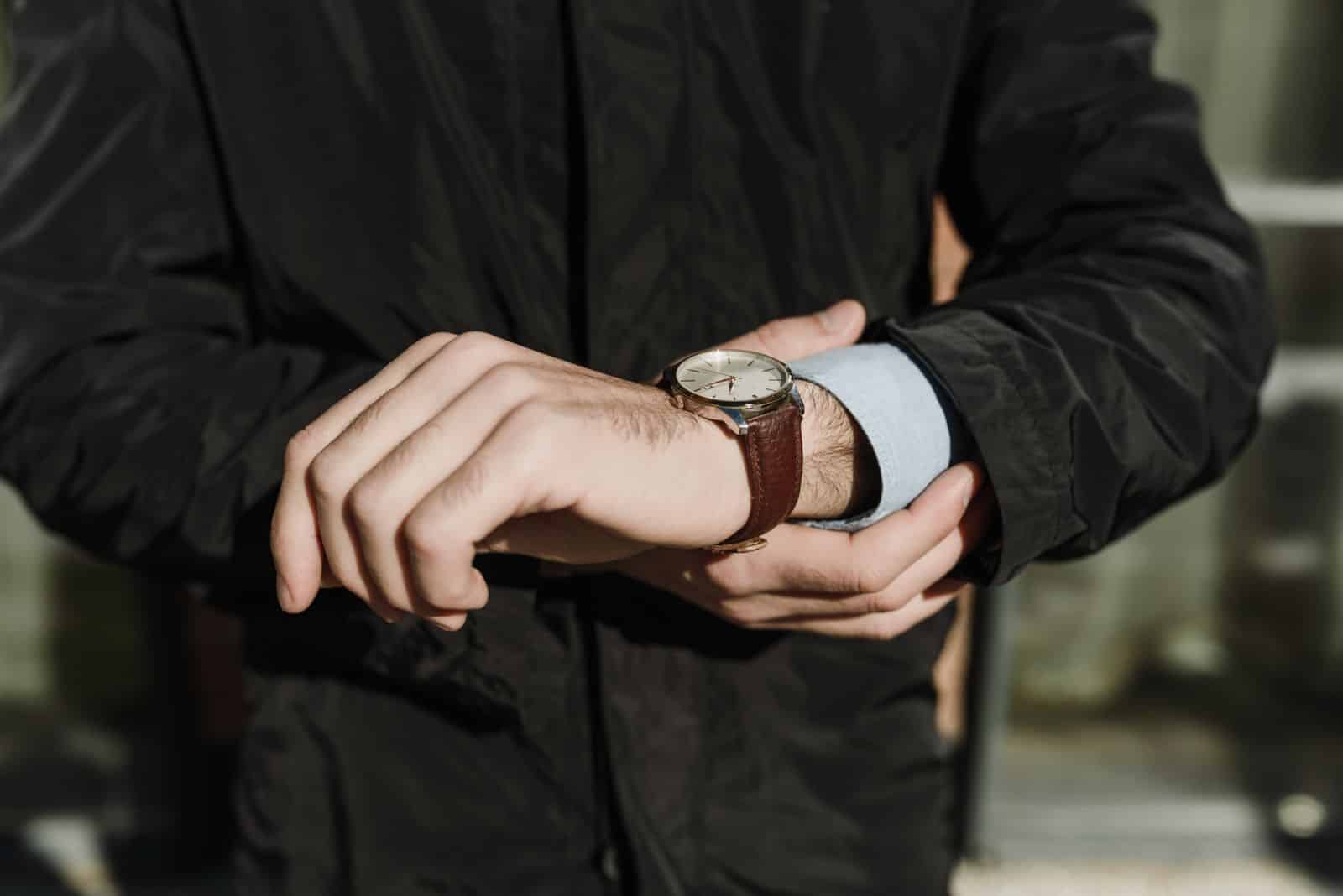
It’s easy to drift into owning five watches that are each fine and none of which you love. A sale here, a trend there, a gift you feel obliged to wear. The alternative is to put the same money and attention into one watch that’s well made, suits nearly everything you do, and that you’ll still want to wear in twenty years.
This isn’t an argument against collecting. If watches are your hobby, enjoy them. It’s an argument for anyone who wants a good watch rather than a drawer of them. Here’s why one great watch usually beats five good ones, and how to choose it.
Why one great watch tends to win
Cost per wear falls fast
A watch you wear every day is used hundreds of times a year. Split the same budget across five watches and each gets a fraction of that wear, while costing you more to maintain. A single, better watch earns its price simply by being on your wrist.
Maintenance is cheaper with one
Mechanical watches need periodic servicing; many manufacturers suggest every five to ten years, depending on the movement and how it’s used. Five mechanical watches means five service bills, five sets of seals and gaskets, and five watches to keep wound or set. One watch keeps that manageable.
Quality holds up and holds value
Better-made watches use harder-wearing materials, more robust movements and cases that can be refinished. They’re also more likely to have a resale market if your taste changes. Cheaper fashion watches rarely do.
You build a relationship with it
A single watch that goes everywhere with you collects history: trips, milestones, the slow patina of daily wear. That’s hard to get when you’re rotating through a tray of options.
From experience: My buy-it-for-life pick, if I had to name one item, is a quality watch. And the worst purchase I ever made makes the same point from the other side: a Cuban silver chain. It was fine when I was young, but it dated very quickly. A well-designed watch from a serious maker doesn’t do that.

What makes a watch “the one”
The goal is versatility: a watch that looks right with a suit, a sweater and a T-shirt, and survives normal life. That points to a fairly consistent set of traits.
- Moderate size: roughly 36 to 41 mm suits most wrists. More important than diameter is lug-to-lug length; the lugs shouldn’t overhang your wrist.
- A clean, legible dial: simple indices, clear hands, and enough contrast to read at a glance. Black, white, blue and grey are the easiest to live with.
- Stainless steel case: durable, easy to refinish and appropriate almost anywhere.
- Real water resistance: 100 meters means you don’t have to worry about rain, hand-washing or a swim.
- A bracelet plus strap options: a good steel bracelet with quick-release straps lets one watch look sporty or dressy.
- A reputable movement: mechanical or quality quartz, from a maker with a service network.
Choosing a style
Most “one watch” choices come from a handful of styles. Each has trade-offs.
| Style | Strengths | Limits |
|---|---|---|
| Dive watch | Tough, water resistant, readable; works with casual clothes and many suits | Can be thick; rotating bezel looks sporty with formal wear |
| Field or pilot watch | Very legible, understated, often light | Less formal; some pilot designs are large |
| Simple dress watch | Elegant, slim, perfect with tailoring | Often less water resistant and less robust |
| Everyday sports watch with integrated or steel bracelet | Equally at home in an office or on a weekend | Popular models can be expensive or hard to find |
| GMT (second time zone) | Practical for frequent travelers | Busier dial; usually priced higher |
If you’re unsure, a steel sports watch with a clean dial and a bracelet is the safest all-round choice. A dive watch is a close second.
How to choose well
- Set a budget and stop. Decide what you can comfortably spend, including a future service, and look within that range. Stretching for a famous name on a model you like less is a poor trade.
- Try it on. Photos and specs don’t tell you how a watch wears. Thickness, lug shape and bracelet comfort only show up on your wrist.
- Wear it with your real clothes. Picture it with what you actually wear most days, not the outfit you wear twice a year.
- Check servicing. Ask what a service costs and where it’s done. A watch you can’t easily maintain won’t last a lifetime.
- Ignore hype. A watch that’s fashionable this year can look dated soon. Classic designs that have stayed in production for decades are classic for a reason.
- Buy from a reputable seller. An authorized dealer or a well-reviewed pre-owned specialist with a return policy and warranty.
If it’s your first good watch, our guides to your first serious watch and starter watches cover specific options, and Buy It for Life explains the wider approach.
Getting variety without buying more watches
Straps are the cheapest way to change a watch’s character. A leather strap dresses a sports watch up; a canvas or rubber strap makes it casual and summer-ready. Quick-release spring bars make switching a 30-second job without tools.
When does a second watch make sense? Usually in two cases: a slim dress watch if you wear black tie or formal suits often, or a cheap, tough watch for activities where you don’t want to risk the good one. Beyond that, it’s a hobby, which is fine, as long as it’s a choice rather than a habit.
Mistakes to avoid
- Buying the biggest version: oversized cases look dramatic in photos but can feel heavy and catch on shirt cuffs. If you’re between two sizes, the smaller one usually ages better.
- Choosing a loud color you’ll tire of: a bright dial is fun for a season. For a watch you’ll wear daily for years, a calm color is easier to live with.
- Ignoring the bracelet: a rattly bracelet with a flimsy clasp ruins an otherwise good watch. Check the clasp, the fine adjustment and how the links are attached.
- Skipping the paperwork: keep the box, warranty card and receipts. They help with servicing and matter if you ever sell.
- Babying it: a well-made watch is designed to be worn. Some scratches and wear are part of its story.
Key takeaways
- One watch worn every day delivers more value than several worn occasionally.
- Fewer watches means fewer service bills and less upkeep.
- Choose moderate size, a clean dial, steel, 100 m water resistance and good strap options.
- Try before you buy and check the cost and availability of servicing.
- Use straps for variety; add a second watch only for a clear purpose.
FAQ
Should my one watch be automatic or quartz?
Either can work. An automatic offers craftsmanship and never needs a battery; a good quartz is more accurate, cheaper to own and ready to wear any time. Choose based on what you value.
Is gold or two-tone a good choice for an only watch?
It can be, but steel is more versatile and more durable day to day. Precious metals are softer and look more formal.
What about a smartwatch?
A smartwatch is a useful tool, but it’s a gadget that will be replaced within a few years. It does a different job from a watch you plan to keep for decades.
Updated November 2026. Some links on this site may be affiliate links; see our editorial policy.