Buy it for life (often shortened to BIFL) gets treated like a product category: a list of indestructible boots, cast iron pans and steel tools. The lists are useful, but they miss the point. Buying for life is a way of deciding, one purchase at a time, whether something deserves a place in your home for the next ten or twenty years.
This guide covers what the philosophy actually means, where it saves money and where it doesn’t, how to tell a lifetime item from an expensive one, and how to start without replacing everything you own at once.

What buy it for life really means
At its simplest, BIFL means choosing things that are built to be used hard, maintained and repaired, rather than used briefly and replaced. Three ideas sit underneath it:
- Durability: the materials and construction can take years of normal use without failing.
- Repairability: when a part wears out, it can be fixed or replaced instead of the whole item being thrown away.
- Lasting appeal: the design is plain and useful enough that you’ll still want to use it in a decade.
Most people focus on the first point. The second and third matter just as much. A jacket that physically survives twenty years doesn’t help you if you stop wearing it after two because it looks dated.
Why cheap things often cost more
A low price feels like savings, but the real cost of anything is what you pay divided by how long it serves you. A $40 pair of shoes that falls apart in a year costs more over a decade than a $300 pair that lasts fifteen years with a couple of resoles. Our guide to cost-per-wear and cost-per-use walks through the math in detail.
There are hidden costs too: the time spent shopping for replacements, the hassle when something breaks at the wrong moment, and the waste of throwing things away. None of these show up on the price tag.
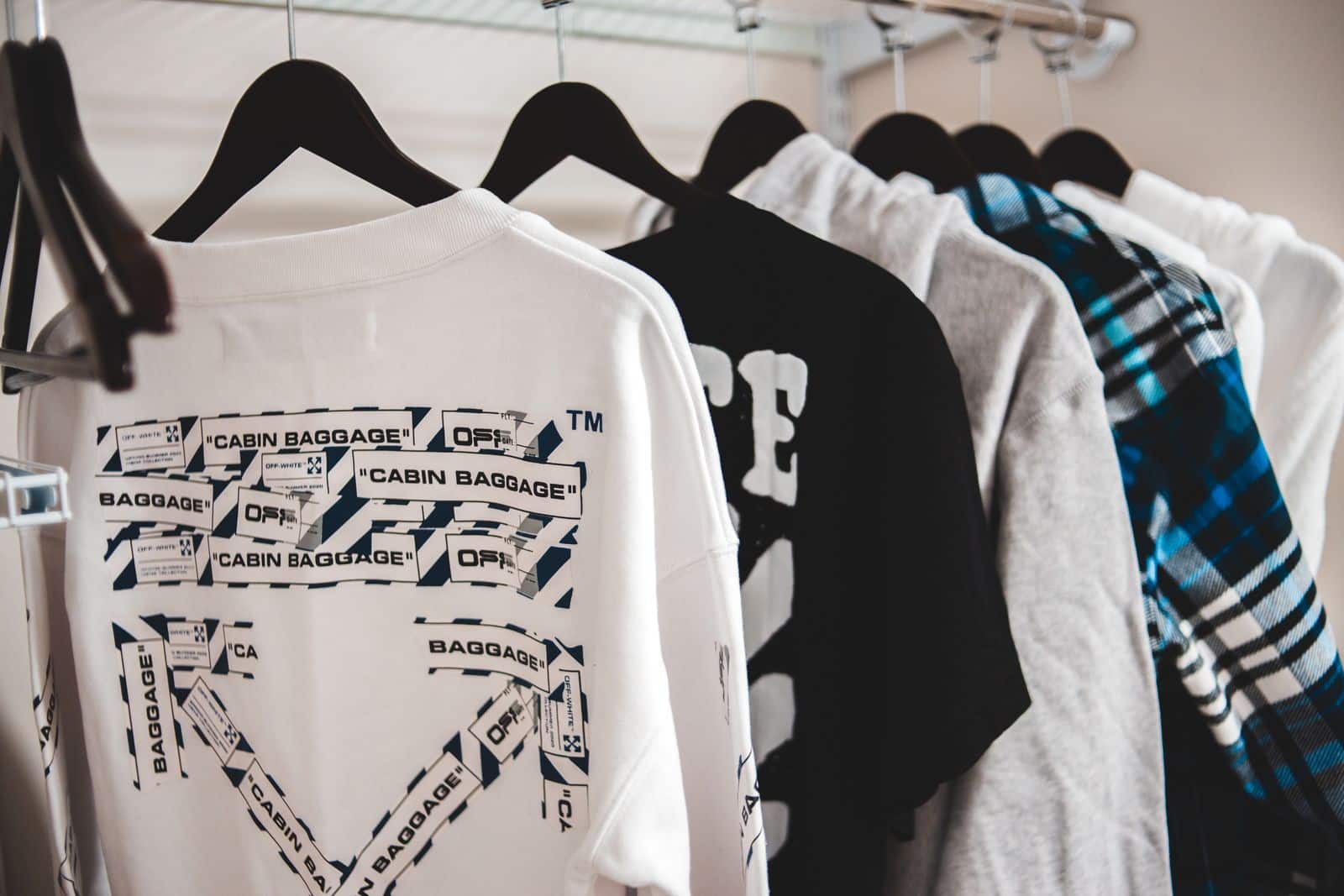
From experience: For over 20 years I’ve helped people find quality branded clothing and outfitter goods, and the lesson I keep coming back to is simple. Quality pieces last, and if you lose interest in them they still hold resale value. Fast fashion is a short-term fix with very little ongoing value once the season is over.
Where BIFL makes sense, and where it doesn’t
Not every purchase should be a lifetime purchase. Buying for life pays off when you use something often, when it takes real wear, and when the better-made version is genuinely repairable. It makes less sense for fast-moving technology or things you’ll outgrow.
| Category | Good BIFL candidate? | Why |
|---|---|---|
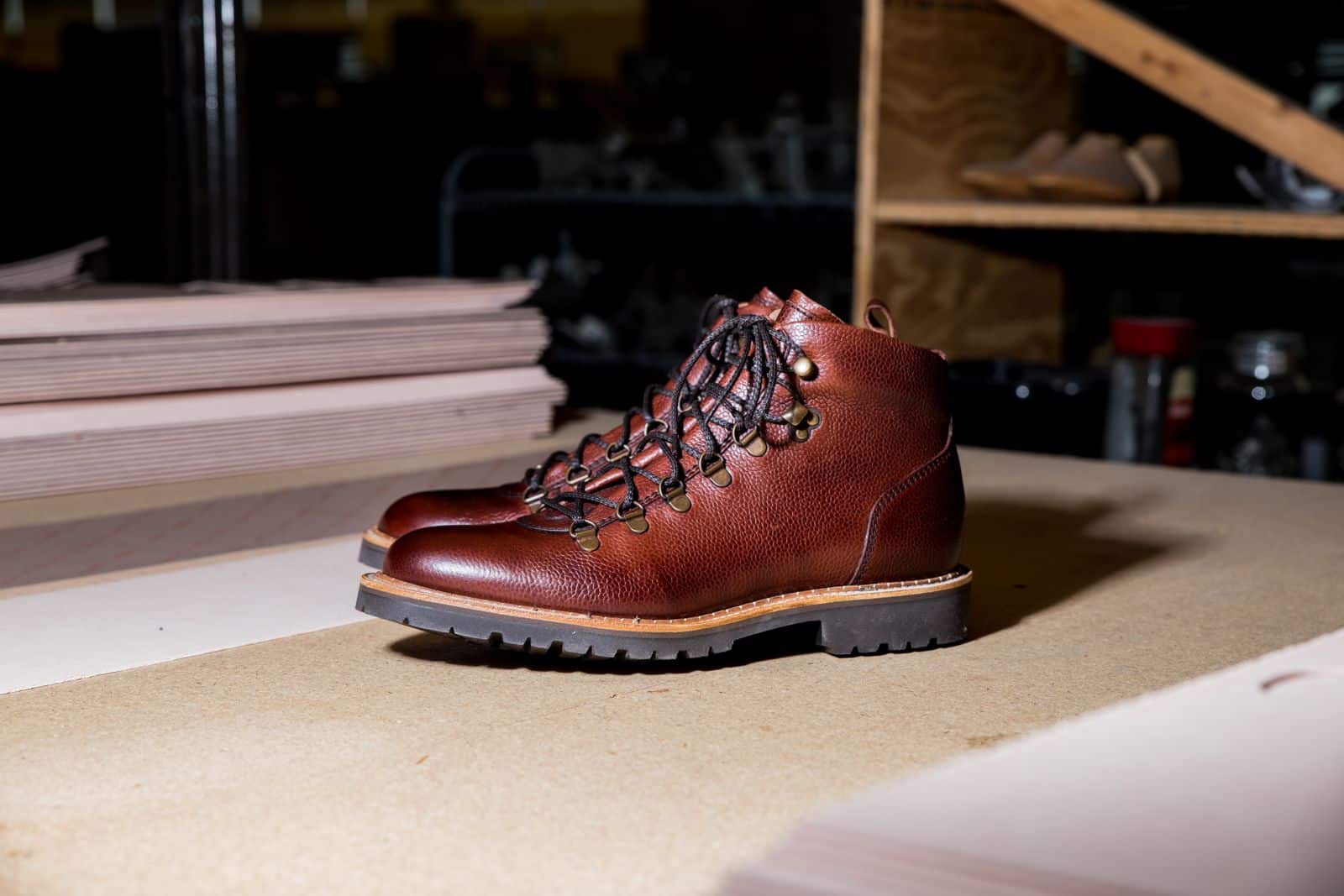
| Shoes and boots | Yes | Welted construction can be resoled; daily use rewards quality. |
| Cookware | Yes | Cast iron, carbon steel and stainless steel can last generations with basic care. |
| Hand tools | Yes | Simple, mechanical and easy to maintain. |
| Outerwear and tailoring | Often | Classic cuts in good fabric last; trendy cuts don’t. |
| Furniture | Often | Solid wood and good joinery can be refinished and repaired. |
| Phones and laptops | Rarely | Software support and batteries limit useful life regardless of build. |
| Trend-driven clothing | No | It dates before it wears out. |
How to tell a lifetime item from an expensive one
A high price is not proof of durability. Brand, marketing and margins drive many prices. Instead, look for evidence. Our full guide on how to judge quality before you buy goes deeper, but these are the main signals:
Materials you can name
Good makers tell you exactly what something is made of: full-grain leather, 100% wool, solid oak, stainless steel. Vague phrases like “premium materials” or “genuine leather” usually mean the details aren’t flattering.
Construction you can see
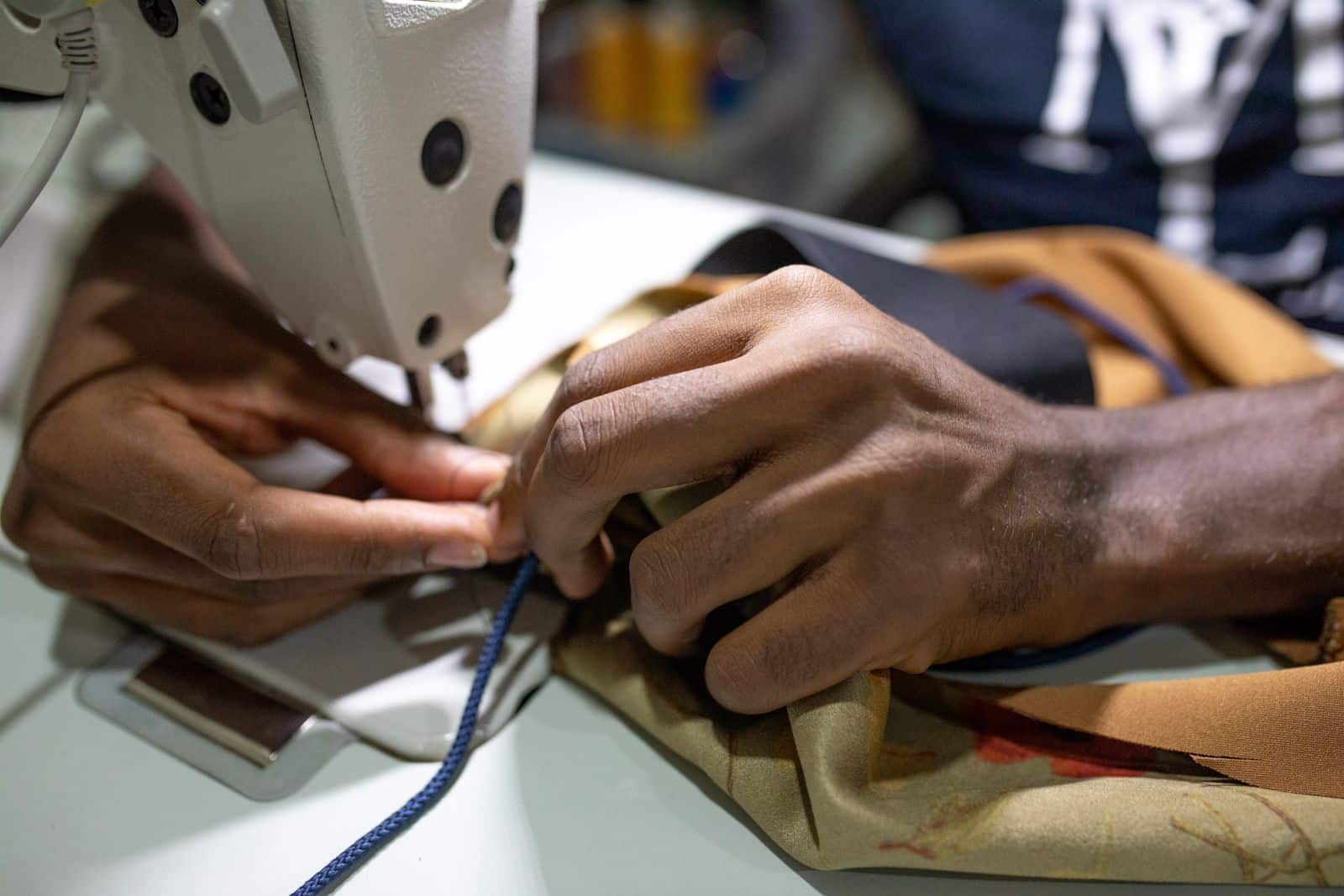
Look at stitching, seams, joints and fasteners. Dense, even stitching, reinforced stress points, metal hardware and real joinery are good signs. Glue where you’d expect stitches, thin plastic parts at pressure points and staples in furniture frames are warning signs.
Parts and repair support
Check whether the maker sells spare parts, offers repairs or resoling, or publishes care instructions. A company that expects its product to be repaired has usually designed it to be.
A warranty with substance
A long warranty shows confidence, but read the terms. Some “lifetime” warranties exclude normal wear, which is exactly what you want covered.
A design that won’t date
Plain, functional shapes in neutral colors age well. Logos, novelty details and whatever is trending this year usually don’t.
From experience: My oldest piece of clothing is a Christian Dior tuxedo from the 1980s, and it’s still in great condition. It has outlasted every trend that came after it because it was well made and classic to begin with. That combination, good construction and a design that doesn’t chase the moment, is what lets something stay in your life for decades.
How to start without overspending
Buying for life doesn’t mean replacing everything at once. That would be expensive and wasteful. A slower approach works better:
- Use what you have until it fails. The most sustainable item is the one you already own.
- Upgrade on replacement. When something breaks or wears out, replace it with a better-made version instead of the cheapest option.
- Start with what you use daily. Shoes, a coat, a good knife, a pan, a bag. Daily use is where quality pays back fastest.
- Buy secondhand. Well-made goods often survive their first owner. Vintage and used markets are full of quality items at a fraction of the new price.
- Learn basic care. Conditioning leather, seasoning cast iron, oiling tools and getting shoes resoled extend life dramatically.
Owning fewer, better things also makes your home and wardrobe easier to manage. We make that case in why owning less, but better, is the real flex.
The mindset behind it
BIFL isn’t about showing off. It’s closer to the opposite: buying less, choosing carefully, and taking care of what you have. It means being honest about what you’ll actually use, skipping purchases driven by boredom or ads, and accepting that the right item sometimes takes time to find or save for.
Some objects even become heirlooms. A well-made watch is the classic example, and our guide to buying a watch for heirloom status covers what makes one worth passing down.
Key takeaways
- Judge cost by years of use, not by price tag.
- Prioritize durability, repairability and a design you’ll still like in ten years.
- Look for named materials, visible construction quality and real repair support.
- Upgrade gradually, starting with items you use every day.
- Secondhand and vintage are some of the best sources of lifetime goods.
FAQ
Is buy it for life always more expensive?
Up front, usually. Over the life of the item, often not. If a better-made item lasts several times longer, it typically costs less per year of use, even at a higher price.
Does an expensive brand mean it will last?
No. Many premium brands charge for the name rather than the build. Check materials, construction and repair options rather than relying on the label.
What’s the best first BIFL purchase?
Something you use every day and that wears out regularly when cheap, such as shoes, a work bag or a frying pan. That’s where you’ll notice the difference fastest.
Updated October 2026. Some links on this site may be affiliate links; see our editorial policy.