Most suitcases fail the same way: a wheel cracks, a handle jams, or a zipper splits, and the whole bag goes to the curb. A suitcase worth keeping for decades isn’t one that never breaks. It’s one that is built well enough to take years of abuse and designed so the parts that wear out can be fixed.
This guide explains how to choose one carry-on (or one checked bag) that you can rely on for the long run: the size to buy, the construction details that matter, how warranties really work, and how to look after it.

Decide which bag you actually need
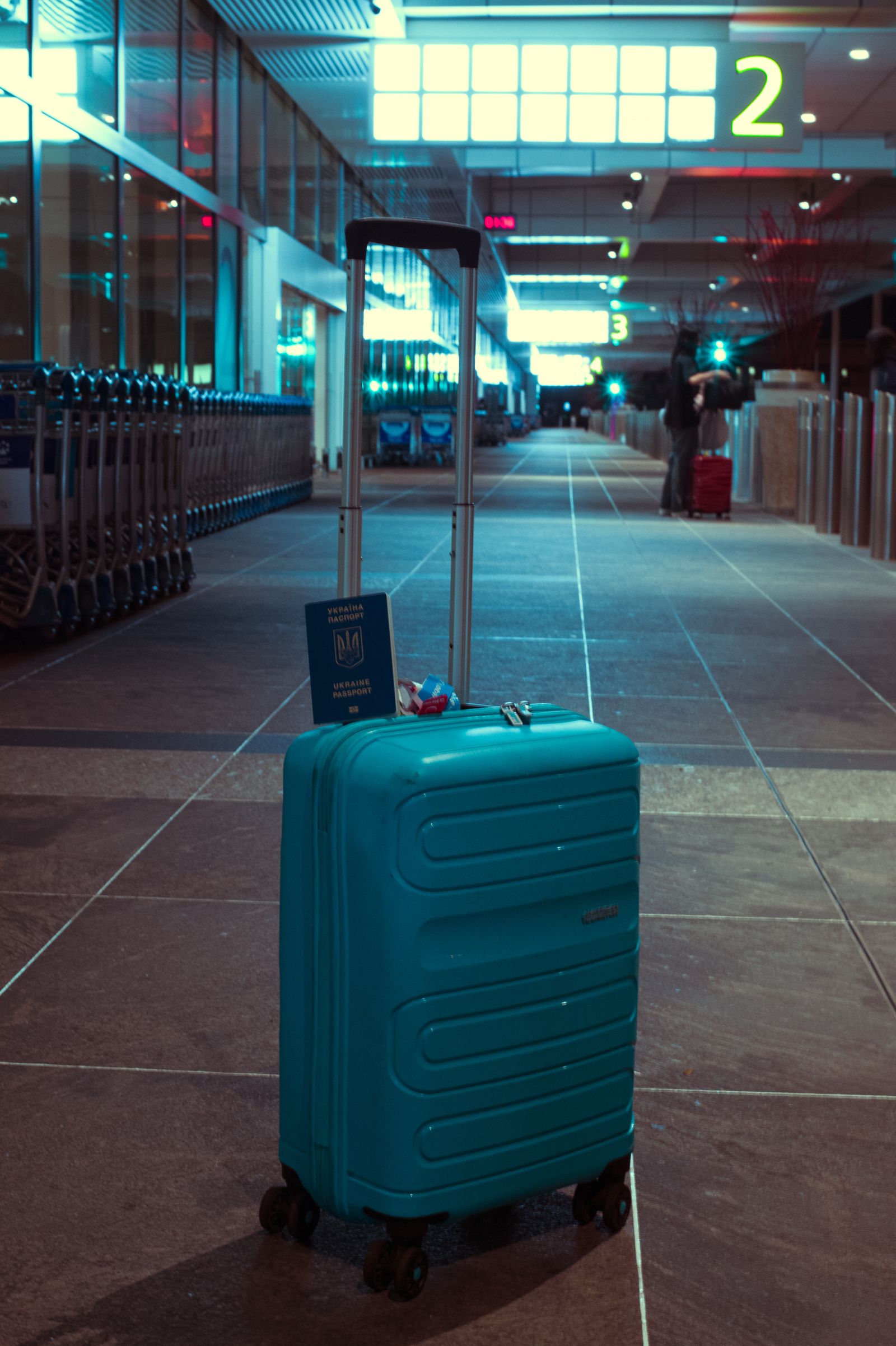
If you only buy one bag to last, make it the one you’ll use most. For many travelers, that’s a carry-on: it covers weekend trips and business travel, and with careful packing it can handle a week or more. If you regularly travel with family, for long stretches, or with bulky gear, a medium checked bag may earn its place first.
Before you buy a carry-on, check the size limits of the airlines you fly most. Limits vary between carriers and especially between regions, and some budget airlines are stricter than full-service ones. A bag that’s slightly too big for your usual airline is the wrong bag, however well it’s made.
Hard shell or soft side?
Both can last a long time. The right choice depends on how you travel.
| Feature | Hard shell (polycarbonate or aluminum) | Soft side (ballistic nylon or similar) |
|---|---|---|
| Protection for contents | Better against crushing | Good, with more give |
| Exterior pockets | Usually none | Easy access for documents and laptops |
| Expansion | Limited | Often expandable |
| Wear and scuffs | Shows scratches; aluminum dents | Hides wear well; can be cleaned |
| Repair | Shell cracks can be hard to repair | Fabric and zippers are often repairable |
| Best for | Checked bags, fragile items, rough handling | Carry-ons, business travel, overpacking risk |
Our guide to luggage materials that survive baggage handlers goes deeper into polycarbonate, aluminum and nylon.
The construction details that decide lifespan
A suitcase is a collection of moving parts. The shell or fabric rarely fails first; the hardware does. Look closely at these points:
Wheels
Spinner wheels (four wheels that rotate fully) are easy to steer through airports but are more exposed and can snap off in rough handling. Two recessed in-line wheels are tougher but less convenient. Whichever you choose, look for wheels that are replaceable, ideally attached with screws rather than riveted or molded into the shell.
Telescoping handle
Extend the handle fully and wiggle it. A little play is normal; a lot of rattle is a warning sign. Check that it locks at more than one height and retracts smoothly.
Zippers
Large, smooth-running zippers from reputable makers hold up far better than thin, stiff ones. On soft-sided bags, the zipper is often the first thing to go, so this is worth checking carefully.
Stitching, corners and carry handles
Look for even, tight stitching and reinforced corners. Test the top and side carry handles: they should feel solid and be anchored firmly, because baggage handlers will use them to throw the bag.
Why repairability beats toughness
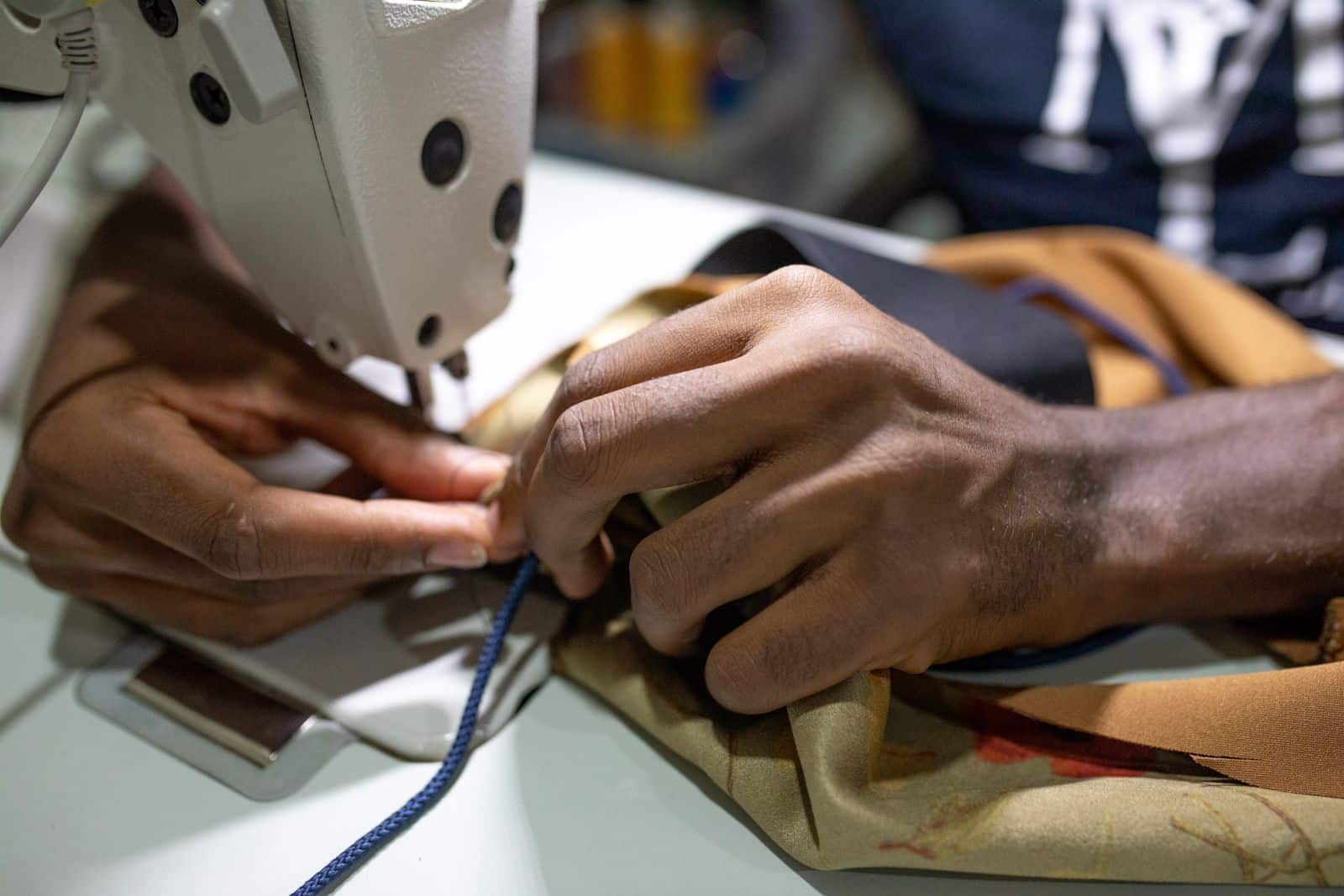
The bags that last for decades are the ones whose wheels, handles and zippers can be replaced. That depends on how the bag is built and whether the maker supports it with parts and service.
From experience: I still wear Allen Edmonds oxfords and Dr. Martens tall boots that I’ve owned for more than 30 years. Both have been resoled twice. Luggage works the same way: buy something built to be repaired, and replacing a worn part is a small cost compared with replacing the whole thing.
Some well-known luggage makers are recognized for their warranties and repair programs. Briggs & Riley, for example, is known for a lifetime warranty, and Rimowa for its aluminum cases and repair service. Terms differ by brand and change over time, so read the current warranty before you buy rather than relying on reputation alone.
How to read a luggage warranty
- What’s covered: manufacturing defects only, or also damage from airline handling?
- For how long: lifetime of the product, a fixed number of years, or only for the original owner?
- What you pay: some warranties are free, others charge for shipping or a service fee.
- Proof of purchase: some require a receipt or registration. Keep it with your travel documents or scan it.
- Where repairs happen: a nearby service center makes a long warranty far more useful.
What it’s worth paying for
A durable suitcase costs more upfront, but price alone isn’t proof of quality, and some expensive bags are mostly paying for a logo. Judge the bag on its hardware, materials and support. Then think about it in terms of cost per use: a bag you take on dozens of trips over many years can work out cheaper than a series of bargain bags that each last a season. Our guide to cost per wear and cost per use walks through the math.
Caring for a suitcase so it lasts
- Empty it fully after each trip and let it air out before storing.
- Wipe the shell or fabric with a damp cloth; spot-clean nylon with mild soap.
- Clean grit out of wheels and check that they spin freely.
- Don’t lift the bag by the extended telescoping handle; use the carry handles.
- Store it somewhere dry, not squeezed under heavy items that can warp the frame.
- Fix small problems early. A wobbly wheel is cheaper to replace before it breaks off.
Pack it well, too. An overstuffed bag strains zippers and seams on every trip. Our guide to packing with the roll, fold and layer method helps you fit more without forcing it.
Buyer’s checklist
- Fits the carry-on limits of the airlines you fly most
- Material suited to how you travel: hard shell or soft side
- Replaceable wheels, ideally screwed on
- Solid telescoping handle with minimal rattle
- Large, smooth zippers and reinforced corners
- A clear, current warranty with accessible repairs
- Proof of purchase kept somewhere safe
FAQ
Is an expensive suitcase worth it?
It can be, if the extra money buys better hardware, repairability and a strong warranty. If it mainly buys a brand name, it isn’t. Compare bags on construction and support, not on price.
Should my one bag be a carry-on or a checked bag?
For most frequent travelers, a carry-on gets the most use and avoids lost-luggage problems. If your trips are usually long or involve a lot of gear, a medium checked bag may be the better first purchase.
Are spinner wheels a weak point?
They are more exposed than recessed two-wheel designs, so they can break more easily under rough handling. That’s why replaceable wheels and good warranty support matter more on spinners.
For the wider idea behind buying fewer, better things, see buy it for life: a philosophy, not just a shopping list.
Updated November 2026. Some links on this site may be affiliate links; see our editorial policy.