For a long time, having more was the obvious way to show you were doing well: a bigger closet, more gadgets, a new phone every year. A different idea has been gaining ground. Owning fewer things, chosen carefully and kept in good shape, often signals more confidence and better judgment than owning a lot.
This isn’t about strict minimalism or counting your possessions. It’s a practical approach: buy less often, buy better when you do, and get rid of things that don’t earn their place. Here’s why it works and how to put it into practice.
What “less but better” means in practice
The idea is simple. Instead of owning five mediocre versions of something, you own one or two good ones that you actually use. That applies to clothes, kitchen tools, furniture, electronics and nearly everything else.
- Less: fewer items overall, with no duplicates you don’t need.
- Better: each item is well made, fits its purpose and fits you.
- Maintained: things are cleaned, repaired and cared for, so they last.
It’s not a rule to never buy anything. It’s a filter for what you let in.

Why it pays off
It usually costs less over time
A well-made item often costs more up front but less per use, because it lasts longer and can often be repaired. A cheaper item that needs replacing every year or two can end up costing more in total. Our guide to cost-per-wear and cost-per-use walks through the math.
It saves time and attention
Every item you own needs a little attention: storage, cleaning, organizing, deciding whether to use it. A smaller, better collection means fewer decisions. Getting dressed is faster when everything in your closet fits and goes together. Cooking is simpler when you have a few good knives and pans instead of a drawer of gadgets.
It looks better
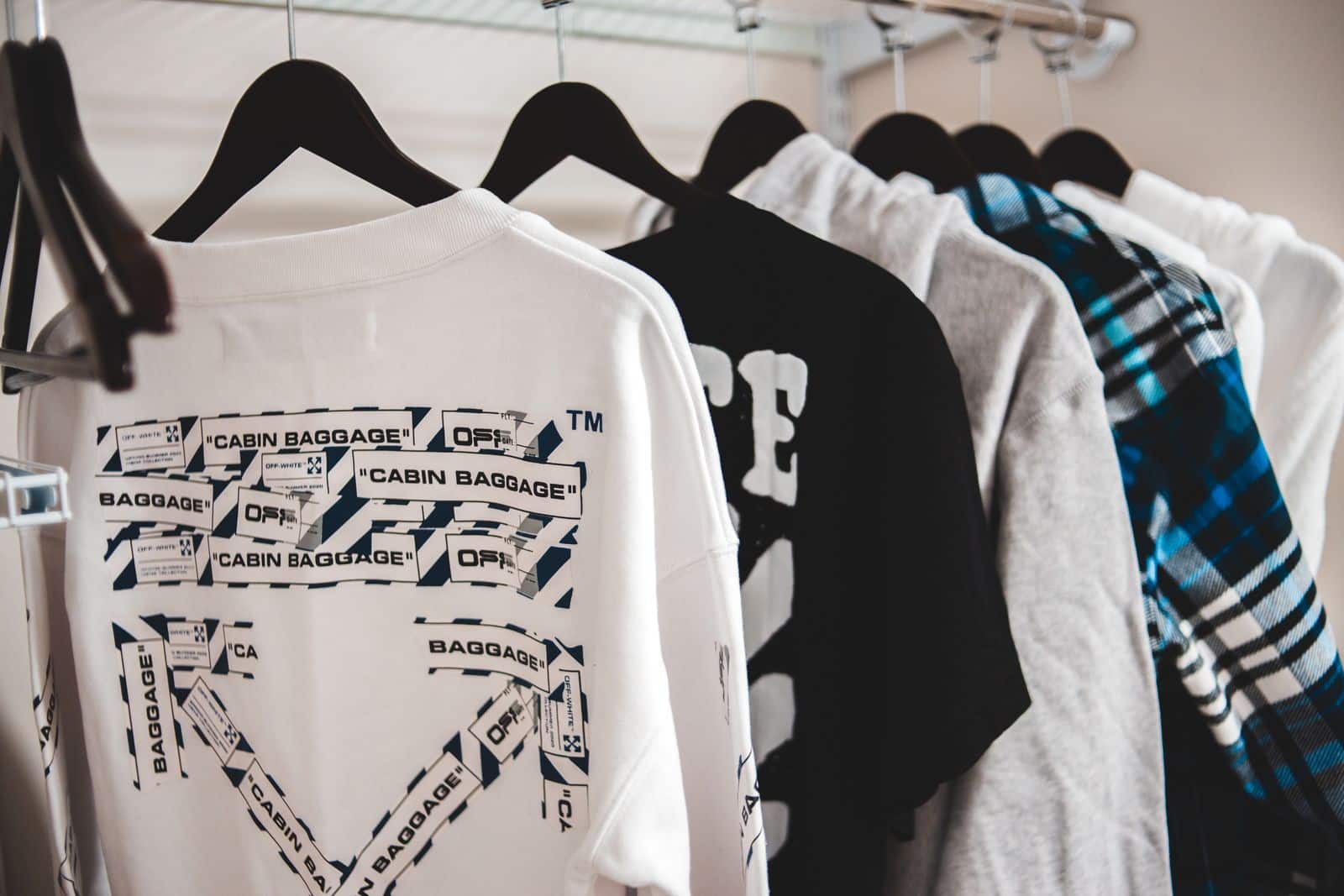
A small wardrobe of well-fitting clothes in coordinating colors tends to look more polished than a large one full of mismatched trends. The same goes for rooms. Fewer, better pieces with space around them usually look more intentional than a crowded room.
It creates less waste
Buying fewer disposable products and repairing what you own means less ends up in landfills. You don’t have to make this your main motivation, but it’s a real benefit.
Where it makes the most sense
Some categories reward quality more than others. Focus first on things you use often and things that are hard on your body or your patience when they fail.
| Category | Why quality matters | What “better” looks like |
|---|---|---|
| Shoes | Worn constantly; poor shoes are uncomfortable and wear out fast | Leather uppers, resoleable construction, good fit |
| Outerwear | Worn for years; exposed to weather | Durable shell or wool, solid zippers and seams |
| Kitchen tools | Used daily | A few good knives, a heavy pan, solid cutting board |
| Bed and mattress | Used every night | Comfortable support, quality bedding that holds up to washing |
| Bags and luggage | Carry weight and take abuse | Strong stitching, good zippers, repairable parts |
On the other hand, things you rarely use, or that you’re still figuring out, are fine to buy inexpensively. Learning what you actually need before investing is part of the approach.
How to start without overhauling everything
You don’t need to throw everything out and start over. That would be wasteful and expensive. A gradual approach works better:
- Audit one category. Start with your closet or your kitchen. Pull out everything and sort it into keep, repair, donate and recycle.
- Identify the gaps. After editing, note what’s actually missing or what you replace most often.
- Replace as things wear out. When something breaks or wears out, replace it with a better version instead of the cheapest option.
- Set a waiting period. For non-essential purchases, wait a couple of weeks before buying. Many impulses fade.
- Maintain what you have. Learn basic care for leather, wool, wood and cast iron. It extends the life of everything.
From experience: My own style has gotten simpler over the years and less about brands. Today I’d rather own a few things that are worth it, like a good watch, a good pair of shoes and tailored shirts, than a stack of branded T-shirts, which I think are the most overpriced thing in menswear.
A sample “less but better” wardrobe
Every man’s needs differ by climate, work and lifestyle, but a lean, versatile wardrobe often includes:
- A few well-fitting shirts in solid colors and simple patterns
- Two or three pairs of trousers, including dark jeans and chinos
- A versatile jacket or blazer in navy or gray
- One weather-appropriate coat
- A small rotation of shoes, such as a dress shoe, a boot and a clean sneaker
- A good leather belt and a simple watch
For shoes specifically, see the only three pairs of shoes a man truly needs. If you travel often, the same principles apply to packing; our travel capsule wardrobe guide shows how.
Common objections, answered
“Quality is too expensive.”
Better doesn’t have to mean luxury. Mid-priced items from makers with solid reputations, good warranties and repair programs are often the sweet spot. Secondhand and vintage are also excellent sources of well-made goods for less.
“I’ll get bored with fewer things.”
Some people do. The fix is to keep a stable core of basics and allow a small amount of variety on top, such as a few shirts, ties or accessories that change with the season.
“What if I choose wrong?”
You will occasionally. That’s normal. Buying slowly and checking construction before you buy keeps mistakes small, and a well-made item usually resells better if it doesn’t work out.
Signs you own more than you need
It can be hard to see clutter when you live with it every day. A few signs suggest it’s time to edit:
- You regularly buy something, then find you already owned one.
- Closets and drawers are full, but you wear or use the same few items.
- You avoid cleaning or organizing because there’s too much to move.
- Items you bought months ago still have tags on them.
- Getting ready in the morning involves digging rather than choosing.
None of these mean you’ve done anything wrong. They’re simply signals that your possessions are taking more effort than they give back, and that a slower, more selective approach to buying would help.
Quick checklist before you buy
- Will I use this often?
- Do I already own something that does the same job?
- Is it well made, with specific materials and solid construction?
- Can it be repaired or maintained?
- Does it fit me, my space and the rest of what I own?
- Would I still want it after waiting two weeks?
Frequently asked questions
Is “less but better” the same as minimalism?
They overlap, but they’re not identical. Minimalism often focuses on owning as little as possible. “Less but better” focuses on owning the right things and making them last. You can own a fair amount and still follow it.
Should I get rid of things that still work?
Not necessarily. If something works and you use it, keep it until it wears out. The approach is about what you buy next, not about discarding usable items.
Where should I start?
Start with the things you use every day, like shoes, a coat, a bag or a kitchen knife. Improvements there are noticeable immediately.
Updated October 2026. Some links on this site may be affiliate links; see our editorial policy.