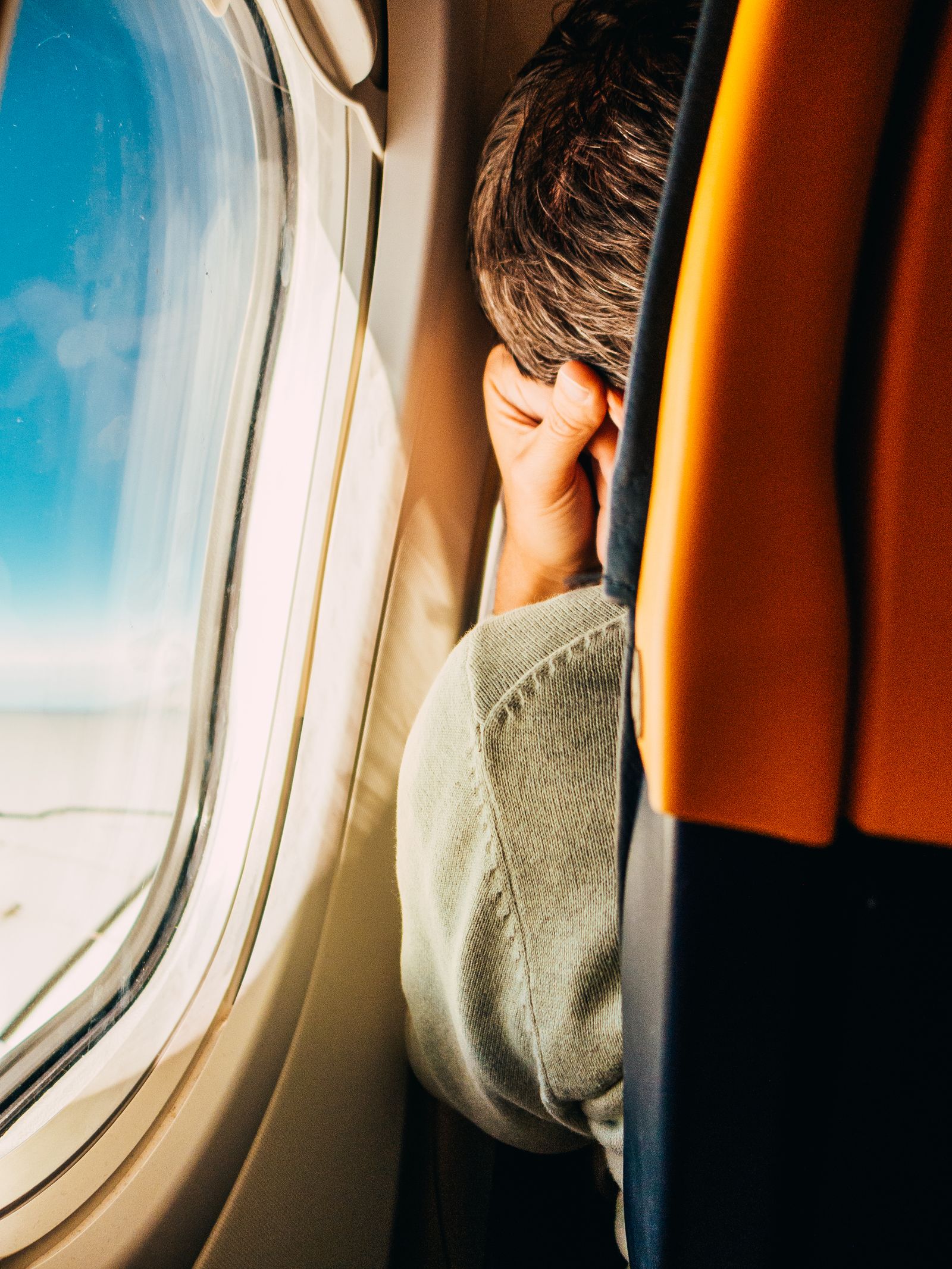
A long-haul flight asks two things of your clothes that seem to pull in opposite directions. You want to be comfortable for ten or more hours in a narrow seat, and you want to look like a reasonable adult when you walk off the plane, check into a hotel or meet someone at arrivals. The good news is that the same choices solve both problems: soft, breathable fabrics, a relaxed but clean fit, and layers you can adjust.
This guide covers what to wear from head to toe, which fabrics work best, and the small details that keep you looking put together after a night in economy.

The principles: comfort first, but polished
- Choose stretch and softness over structure. Stiff fabrics and tight waistbands become uncomfortable after a few hours of sitting.
- Layer for changing temperatures. Cabins can feel cold at altitude and warm on the ground. Layers let you adjust without asking for a blanket.
- Pick dark, solid colors. Navy, charcoal, olive and black hide wrinkles and the occasional coffee drip far better than light colors.
- Keep it simple at security. Fewer metal parts, easy-off shoes and empty pockets get you through the line faster.
- Dress for where you land. If you’re heading straight to a meeting or a dinner, plan an outfit that needs only a jacket or a quick change.
What to wear, piece by piece
Trousers
Skip rigid denim and anything with a tight waist. Better options are chinos or trousers with a bit of stretch, smart joggers in a dense knit, or travel trousers made from technical fabric. Look for a tapered but not tight leg and a comfortable waistband, ideally with a drawstring or partial elastic. They should look like real trousers when you stand up, not like pajamas.
Shirt or base layer
A plain T-shirt in a quality cotton or merino wool, a knit polo, or a soft oxford shirt all work well. Merino is worth considering for very long flights: it breathes, regulates temperature and resists odor better than cotton. Avoid anything with a stiff collar or a slim fit through the arms.
Mid layer
A crewneck sweater, a quarter-zip or a zip-up knit is the most useful piece you can bring. It keeps you warm when the cabin cools, works as a pillow when folded, and makes a simple T-shirt look intentional when you arrive.
Outer layer
An unstructured blazer in a knit or soft cotton, a field jacket, a chore coat or a lightweight packable jacket finishes the outfit without adding much bulk. If you’re bringing a structured suit jacket for a business trip, don’t wear it in the seat. Fold it inside out, lining facing out, and put it flat in the overhead bin, or ask whether the cabin crew can hang it.
Shoes and socks
Feet can swell on long flights, so choose shoes that are easy to slip off and on, with a little room in them. Clean leather or suede sneakers, loafers, or simple slip-on shoes work better than laced boots. Wear comfortable socks, and consider compression socks if you’re prone to swelling; ask your doctor if you have any circulation concerns.
This is general information, not medical advice.
Fabrics that travel well
| Fabric | Why it works | Drawbacks |
|---|---|---|
| Merino wool | Breathes, regulates temperature, resists odor, drapes well | Costs more; fine knits need gentle care |
| Cotton jersey | Soft and familiar | Wrinkles and holds moisture |
| Stretch cotton (chinos) | Looks smart, moves with you | Can bag at the knees by the end of the flight |
| Technical synthetics | Wrinkle resistant, quick drying, light | Can look shiny or retain odor |
| Linen | Cool in hot destinations | Wrinkles heavily in a seat |
Small details that keep you put together
- A small grooming kit. Toothbrush, travel toothpaste, lip balm, moisturizer, face wipes and a comb fit in a pouch under the seat. See the dopp kit every frequent flyer should own for a fuller list, and keep liquids within your airport’s carry-on limits.
- A fresh T-shirt and socks in your carry-on. Changing before landing is the quickest way to feel human again.
- A scarf or light layer. Useful against cabin drafts and easy to stow.
- Water over alcohol. Cabin air is dry. Staying hydrated helps your skin and how you feel when you land.
- Minimal accessories. A simple watch and a belt with a plain buckle are enough. Large jewelry and multiple metal items slow down security.
A word on fragrance in the cabin
You’re sharing a small, enclosed space with hundreds of people for many hours, and the air recirculates. A fragrance that seems subtle at home can be overpowering in row 34. If you wear one, apply a single light spray, or save it for the lavatory just before landing.
From experience: Of all the parts of grooming, I think fragrance matters most, because it’s what people remember you by. That’s exactly why it deserves restraint on a plane. A light touch before you land leaves the right impression at arrivals; a heavy one at the gate leaves the wrong impression with everyone sitting near you.
If you’re going straight to a meeting
Sometimes there’s no time to stop at the hotel. In that case, build the flight outfit around the meeting outfit rather than the other way around.
- Wear the meeting trousers if they have some stretch, or change into them in the airport after landing.
- Travel in a knit polo or soft shirt, and pack a pressed shirt rolled (not folded) in your carry-on.
- Keep the blazer in the overhead bin and put it on only after you land.
- Wear the shoes you’ll need for the meeting if they’re comfortable; otherwise, pack them in a shoe bag and change at arrivals.
- Allow ten minutes in an airport restroom to change, wash your face and comb your hair.
It isn’t glamorous, but arriving in a fresh shirt and a jacket that hasn’t been sat on makes a noticeable difference.
What to avoid
- Rigid jeans and tight belts
- Shorts and flip-flops: cold in the cabin, and less practical in an emergency
- Light colors that show every mark
- Heavy boots with long laces
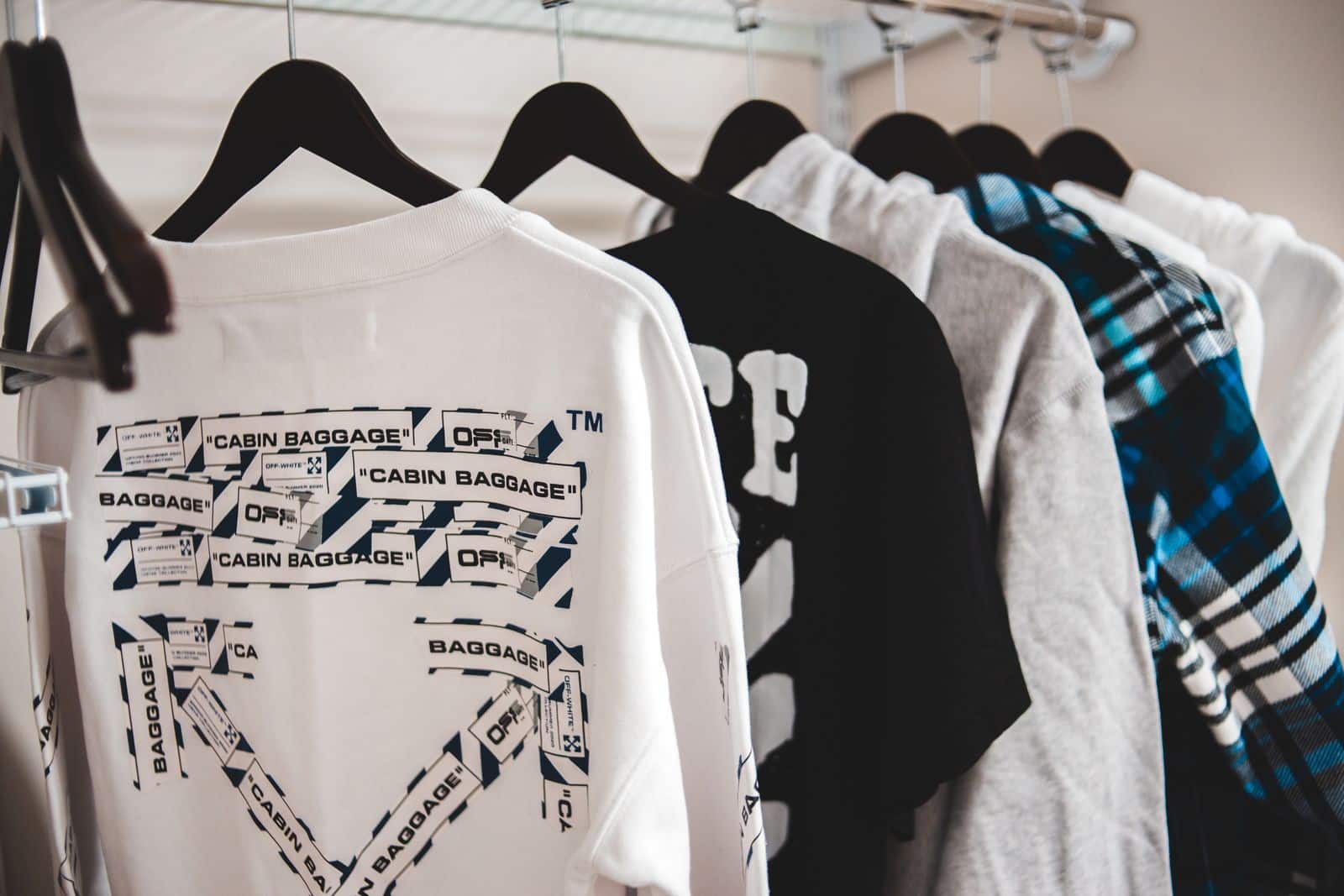
- Logo-heavy athleisure that looks like you came straight from the gym
Getting your luggage right helps too. Our guide to luggage materials that survive baggage handlers covers the bag, and hotel etiquette covers what happens once you arrive.
Long-haul outfit checklist
- Stretch trousers or smart joggers in a dark color
- Soft T-shirt, polo or oxford shirt, ideally merino or quality cotton
- Sweater or quarter-zip
- Unstructured jacket or packable outer layer
- Easy slip-on shoes with comfortable socks
- Carry-on kit: fresh shirt and socks, toothbrush, moisturizer, lip balm, water bottle
Key takeaways
- Comfort and polish aren’t opposites: soft, stretchy fabrics in a clean cut give you both.
- Layers matter more than any single piece.
- Dark solids hide wrinkles and spills.
- Pack a fresh shirt and a small grooming kit so you arrive ready for the day.
FAQ
Is it OK to wear sweatpants on a long flight?
It’s acceptable, but smart joggers or stretch trousers are just as comfortable and look much better when you land. If you love sweatpants, choose a dark, tailored pair without large logos.
Should I wear a suit on a plane?
Only if you’re going straight from the airport to something formal and can’t change. Otherwise, travel in comfortable layers and carry the suit jacket folded or in a garment bag.
What’s the best fabric for a long-haul flight?
Merino wool is hard to beat for tops because it breathes and resists odor. For trousers, stretch cotton or a quality technical fabric works well.
Updated November 2026. Some links on this site may be affiliate links; see our editorial policy.