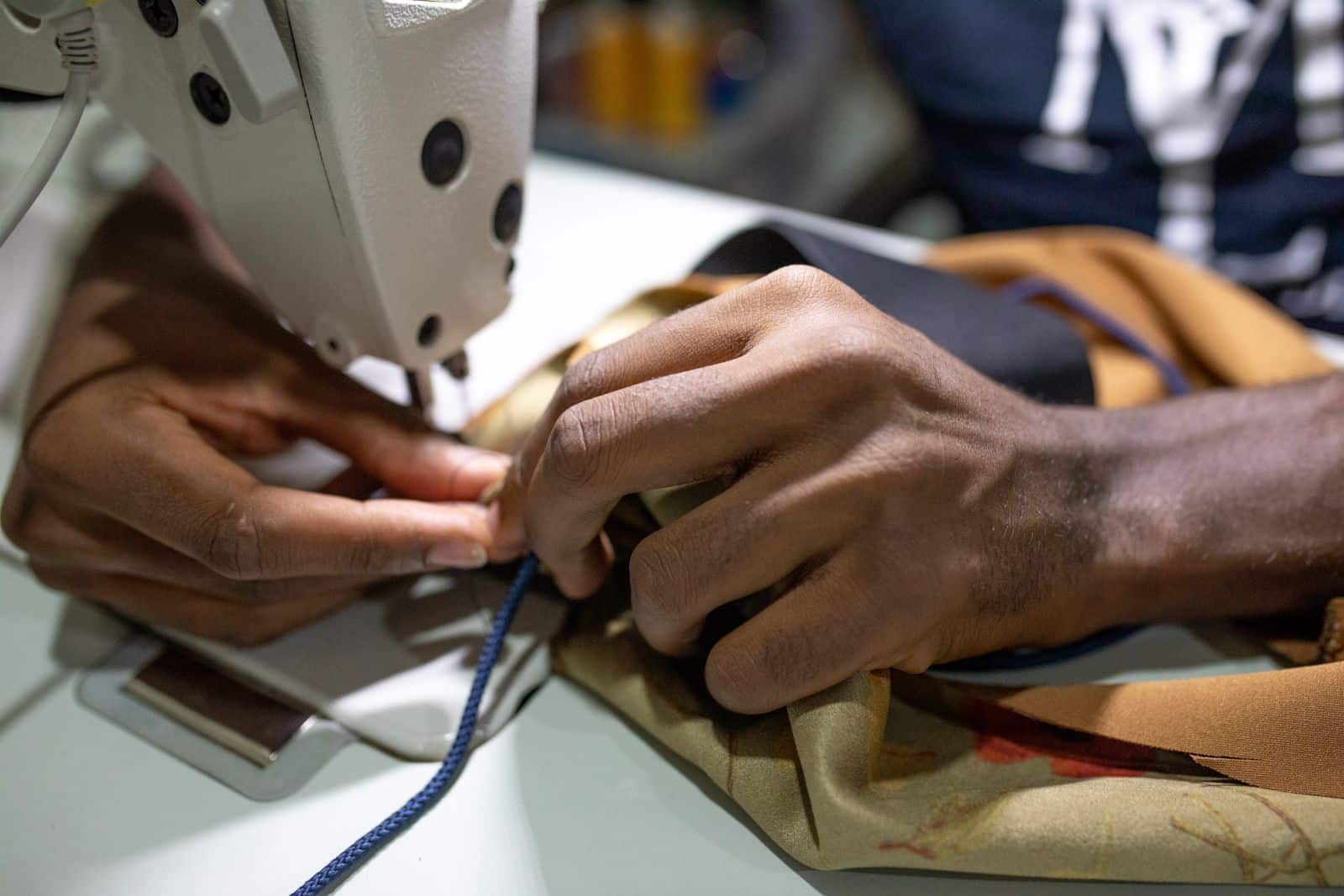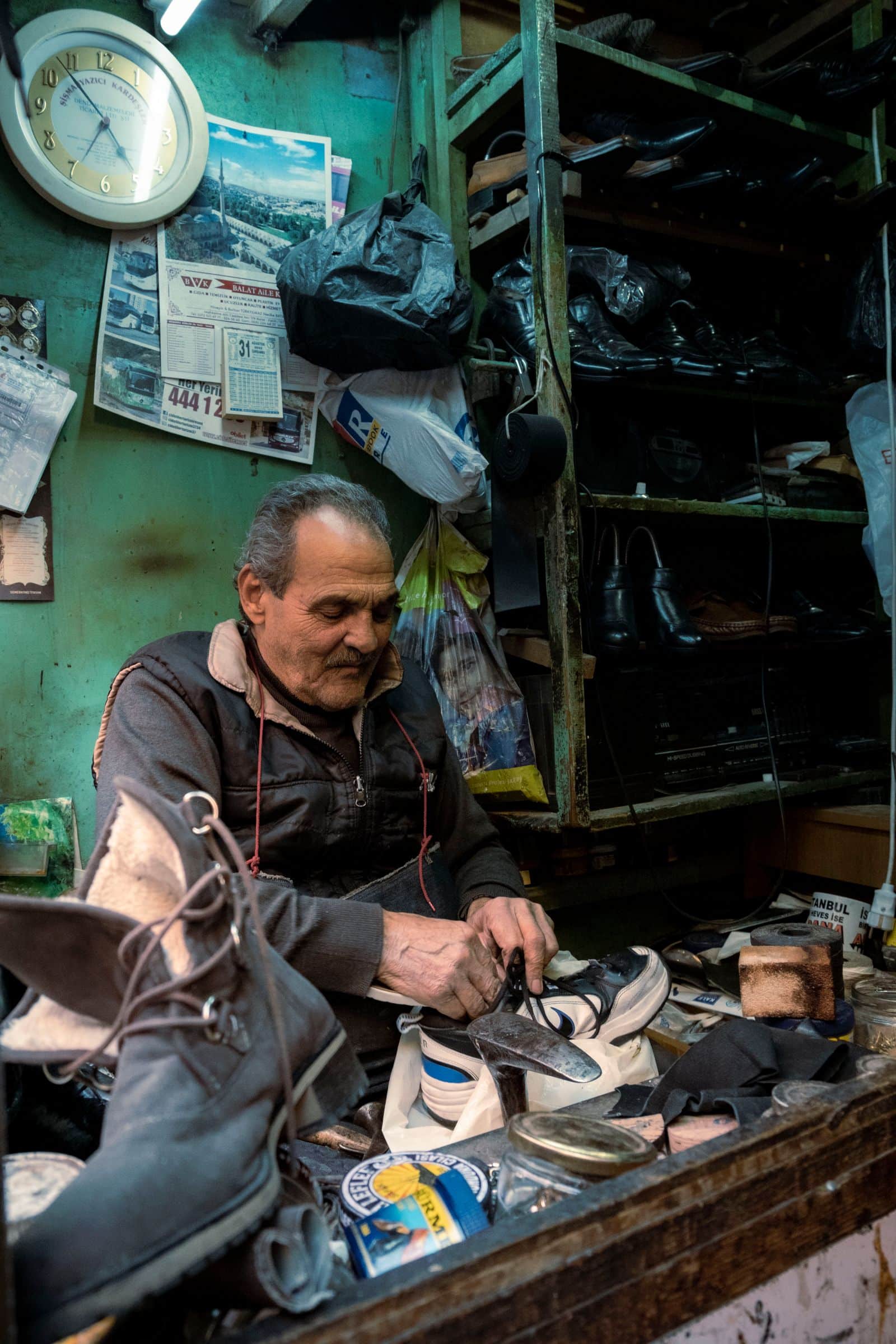
A worn-out sole is not the end of a good pair of shoes. On well-made footwear, the sole is designed to be replaced, sometimes several times, while the leather upper keeps getting better. The person who does that work is a cobbler, and finding a good one is one of the most cost-effective things you can do for your wardrobe.
This guide covers which shoes can be resoled, how to tell when it’s time, what a cobbler can and can’t fix, and how to find one you can rely on for years.

Which shoes can be resoled
It comes down to how the sole is attached to the upper. Look at the edge of the sole where it meets the leather.
| Construction | How to spot it | Resoleable? |
|---|---|---|
| Goodyear welt | A strip of leather (the welt) runs around the shoe with visible stitching on top of it | Yes, many times |
| Blake stitch | Stitching visible inside the shoe, through the insole; slim sole edge | Yes, but needs a Blake machine |
| Stitchdown | The upper flares out and is stitched straight to the midsole | Yes, usually |
| Cemented | No stitching; the sole is glued on | Sometimes, but rarely worth it |
| Molded/injected | Sole and upper fused in one piece, common on sneakers | Generally no |
Most traditional dress shoes and work boots are Goodyear welted or Blake stitched. Most sneakers and inexpensive fashion shoes are cemented or molded, which is why they are usually replaced rather than repaired.
Signs it’s time for the cobbler
- The heel is worn down at one corner. Replace the heel top lift early; it’s a small, inexpensive job, and waiting lets wear reach the heel block.
- The sole has thinned at the ball of the foot. Press with your thumb. If it flexes easily or feels soft, a resole is due.
- A hole or a crack has appeared. Act quickly. Once water gets into the welt or the insole, the repair gets bigger.
- Stitching is coming loose. A cobbler can restitch a welt or seam before it spreads.
- The shoe has lost its shape or the heel counter has collapsed. This one is harder to fix, so check with a cobbler before investing.
The rule of thumb: do small jobs early. A heel lift or a toe tap costs little and protects the expensive parts of the shoe.
What a good cobbler can do
- Full resole in leather, rubber or a combination such as a leather sole with a rubber half sole or heel
- Heel replacement and top lifts
- Toe taps or plates to slow wear at the toe
- Welt and seam restitching
- Replacing worn insoles and cork filler
- Re-dyeing, conditioning and deep cleaning
- Repairing zippers, eyelets and boot hardware
- Stretching tight shoes slightly
Some makers also offer factory recrafting, where the shoes go back to the original factory to be rebuilt on their original last. It usually takes longer and costs more than a local repair, but it’s a good option for a pair you care about.
From experience: My Allen Edmonds oxfords and my Dr. Martens tall boots have both been with me for more than 30 years, and both have been resoled twice. The uppers are what make them worth keeping; the soles were always meant to be replaced.
Leather or rubber when you resole
You don’t have to keep the original sole. Leather soles look sleek and breathe well but wear faster and are slippery on wet pavement. Rubber soles, including well-known Dainite-style studded soles and Vibram options, grip better and last longer, at the cost of a slightly chunkier look. A common compromise is a thin rubber half sole added over a new leather sole. Ask your cobbler what suits how you actually wear the shoes.
How to find a cobbler you trust
- Ask the people who wear good shoes. Menswear shops, tailors and dry cleaners often know who does careful work locally.
- Look at the shop’s work. A good cobbler is happy to show recent resoles. Look for even, tight stitching and a clean, square sole edge.
- Ask about the equipment. For welted shoes, ask whether they restitch the welt or glue the new sole. For Blake-stitched shoes, ask whether they have a Blake machine.
- Start small. Try a heel replacement before trusting them with a full resole.
- Expect honesty. A good cobbler will tell you when a shoe isn’t worth repairing.
If there’s no skilled cobbler near you, many established repair shops accept shoes by mail, and some shoe makers run their own resoling service.
Make each resole go further
- Use cedar shoe trees after every wear to absorb moisture and hold the shape.
- Rotate pairs; give leather shoes a day off between wears so they dry out.
- Clean off dirt and salt promptly, and condition the leather a few times a year.
- Add heel lifts and toe taps before the wear reaches the main sole.
- Store shoes away from radiators and direct sun.
Resoling changes the math on what a pair of shoes really costs. Our guide to cost-per-wear walks through it, and the only three pairs of shoes a man truly needs covers which pairs are worth building around. For a matching accessory that ages just as well, see the leather belt you buy once.
Buying your next pair with resoling in mind
The easiest way to get decades out of shoes is to choose a pair that can be rebuilt from the start. Before you buy, check a few things:
- Construction. Look for “Goodyear welted”, “Blake stitched” or “stitchdown” in the product details, and confirm by checking for stitching along the sole edge.
- Full-grain leather uppers. They crease, polish and age well. Corrected-grain leather with a plastic-looking shine tends to crack instead.
- A leather or cork-filled insole. It molds to your foot over time and gives the cobbler something solid to work with.
- A maker that offers recrafting or resoling. It signals the company expects its shoes to be repaired, not thrown away.
Checklist before you hand over your shoes
- Confirm the construction (welted, Blake, stitchdown, cemented).
- Decide on leather, rubber or a combination for the new sole.
- Ask whether the welt or insole needs work too.
- Get the price and turnaround in writing.
- Ask for the shoes back with shoe trees in, or put yours in on pickup.
FAQ
How many times can a shoe be resoled?
A well-made Goodyear-welted shoe can often be resoled several times. The limit is usually the condition of the welt and the upper, not the number of resoles. A good cobbler can tell you how much life is left.
Is resoling worth it for inexpensive shoes?
Usually not for cemented or molded shoes, because the repair can cost close to the price of a new pair. It’s most worthwhile for welted or stitched shoes with sound leather uppers.
Can sneakers be resoled?
A few specialists resole certain sneakers, but most are molded or glued in a way that makes it impractical. Expect to replace them.
Updated November 2026. Some links on this site may be affiliate links; see our editorial policy.