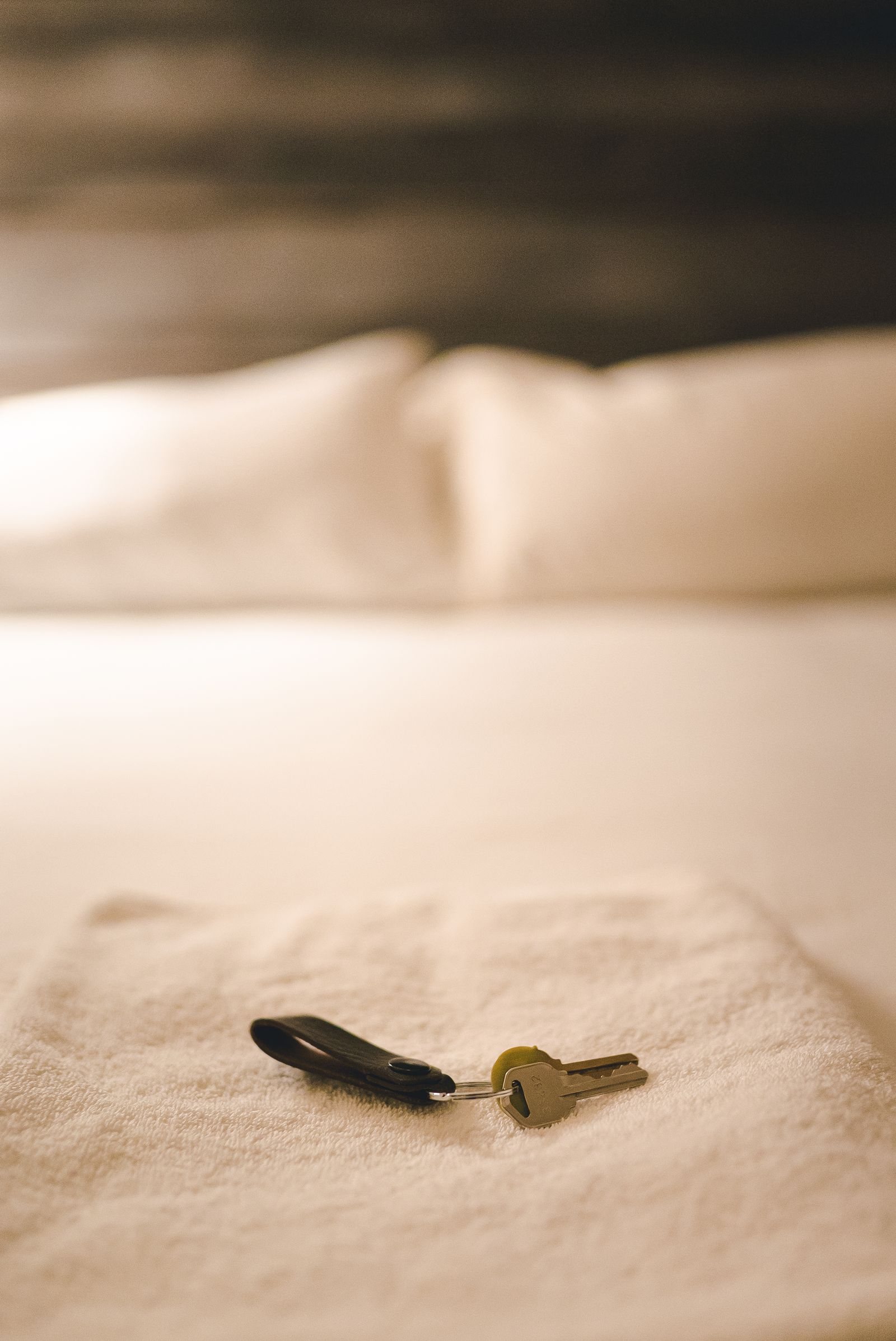
Good hosting is not about a perfect home. It is about making someone feel expected, comfortable and free to relax. Guests remember whether they slept well, whether they knew where things were, and whether they felt like a burden. Almost all of that comes down to a little planning before they arrive and a light touch while they are there.
This guide covers what to settle before the visit, how to set up the guest space, what to stock, how to handle meals and plans, and how to keep the house rules clear without sounding like a landlord.
Before they arrive: settle the basics in one message
Most awkward moments with houseguests come from unspoken assumptions. A short, friendly message a few days ahead clears them up. Cover:
- Dates and times: when they arrive, when they leave, and whether you can pick them up from the station or airport.
- Sleeping arrangements: a guest room, a sofa bed or an air mattress. Be honest. People pack and plan differently for a shared space.
- Your schedule: if you are working during the visit, say so, and mention when you are free.
- Anything they should know: pets, stairs, a lack of parking, early-morning noise or a shower that takes a minute to warm up.
- Food: ask about allergies and strong dislikes so you can shop once.
This is not formality. It gives your guest the information they need to feel at ease, and it saves you both from a polite guessing game.
Set up the guest space

The best test is simple: sleep in the guest bed yourself for one night before anyone else does. You will find the lumpy pillow, the lamp with no bulb, the curtain that lets in the streetlight and the radiator that clanks at 3 a.m.
The essentials
- Clean sheets and a spare blanket, plus at least two pillows of different firmness.
- A bath towel, hand towel and washcloth for each guest, set out where they can see them.
- A bedside lamp, a free outlet or charging cable, and somewhere to put a glass of water.
- A few empty hangers and a clear surface or luggage rack for a suitcase.
- A way to darken the room, or an eye mask if the curtains are thin.
Small touches that make a difference
- A short card with the Wi-Fi name and password.
- A spare key, if they will be coming and going.
- A carafe or bottle of water and a glass.
- Basic toiletries they might have forgotten: toothpaste, a spare toothbrush, shampoo, a disposable razor.
- A clear explanation of the shower, especially if it has a trick to it.
None of this needs to be expensive. Thoughtfulness shows in the details, not in the thread count.
Stock the kitchen for easy mornings
Guests are often awake before or after you. Show them where the coffee, tea, mugs, cereal and fruit are on the first evening and tell them to help themselves. Then mean it. A guest who has to wait for you to wake up before having coffee does not feel at home.
Keep a few easy things on hand: good bread, eggs, fruit, yogurt, something for snacking and plenty of drinks that are not alcoholic, as well as some that are.
From experience: A SodaStream with a few handcrafted tonics or syrups is one of my favorite things to have at home. It makes any occasion a cocktail hour, and it gives guests who are not drinking something just as interesting to hold as everyone else.
If you want to go a step further, our guide to the cocktail kit every home bar needs covers the few tools worth owning.
Meals and plans: offer, do not over-schedule
The most common hosting mistake is planning every minute. Guests need downtime too, especially after travel. A good pattern is one shared plan per day, such as a walk, a meal out or a local sight, with free time around it.
- Plan one relaxed welcome meal for the first evening. Something that can wait in the oven if a train runs late is ideal.
- Do not cook three courses every night. Mixing home meals with a simple dinner out takes pressure off everyone.
- Accept offers of help with something real: chopping, setting the table, choosing the wine.
- Give them options rather than an itinerary: “We could do the market in the morning or have a slow start. Your call.”
If you are hosting a proper dinner during the visit, our guides to carving a roast and table manners that still matter will help.
House rules without awkwardness
Every home has its own way of doing things. The polite approach is to explain yours once, early, and casually, rather than correcting people as they go. Mention the things that actually matter to you, such as shoes off inside, the dog not being fed from the table, or the neighbors needing quiet after 10 p.m.
Frame these as information rather than rules: “We usually take shoes off at the door; there are slippers in the basket if you want them.” Most guests are relieved to know.
Hosting at a glance: what guests notice
| Area | What guests notice | Easy fix |
|---|---|---|
| Sleep | Light, noise and pillow comfort | Test the bed yourself; add an eye mask and extra pillow |
| Bathroom | Where towels go and how the shower works | Set out labeled towels and explain the shower once |
| Kitchen | Whether they can help themselves | Show them the coffee and snacks on night one |
| Schedule | Too much or too little to do | One shared plan per day, free time around it |
| Communication | Not knowing your plans or rules | One message before the visit; one quick tour on arrival |
When things go wrong
Something usually does: a delayed flight, a broken water heater, an overcooked dinner. What guests remember is how you handled it. Stay calm, keep a sense of humor and focus on their comfort rather than your embarrassment. Ordering takeout and laughing about the burnt roast is better hosting than a tense perfect meal.
If a guest is outstaying their welcome or behaving badly, address it privately and directly rather than through hints. A kind, clear conversation is more respectful than silent resentment.
The goodbye
Make the departure easy. Help with bags, check that chargers and toiletries have been packed, and give them something for the road, even if it is just a coffee in a travel cup. A short message afterward to say you enjoyed having them closes the visit warmly.
Checklist: the day before guests arrive
- Clean sheets on the bed; extra blanket and pillows out.
- Towels set out for each guest.
- Wi-Fi card, spare key and water by the bed.
- Phone charger and a free outlet within reach.
- Basic toiletries in the bathroom.
- Breakfast, coffee and drinks stocked; dietary needs covered.
- One easy welcome meal planned.
- A clear surface and hangers for luggage and clothes.
Frequently asked questions
How long should houseguests stay?
There is no fixed rule, but agreeing on clear arrival and departure dates in advance matters more than the length. Two or three nights is comfortable for most hosts and guests; longer stays work best when both sides have some independent time.
Should I give up my own bed for a guest?
Only if you want to. A clean, comfortable sofa bed or air mattress with good bedding is perfectly acceptable, as long as you tell your guest in advance what to expect.
Do I need to entertain guests the whole time?
No. Most guests prefer a mix of shared plans and free time. Suggest one activity a day and let them know they are welcome to explore on their own.
Updated October 2026. Some links on this site may be affiliate links; see our editorial policy.