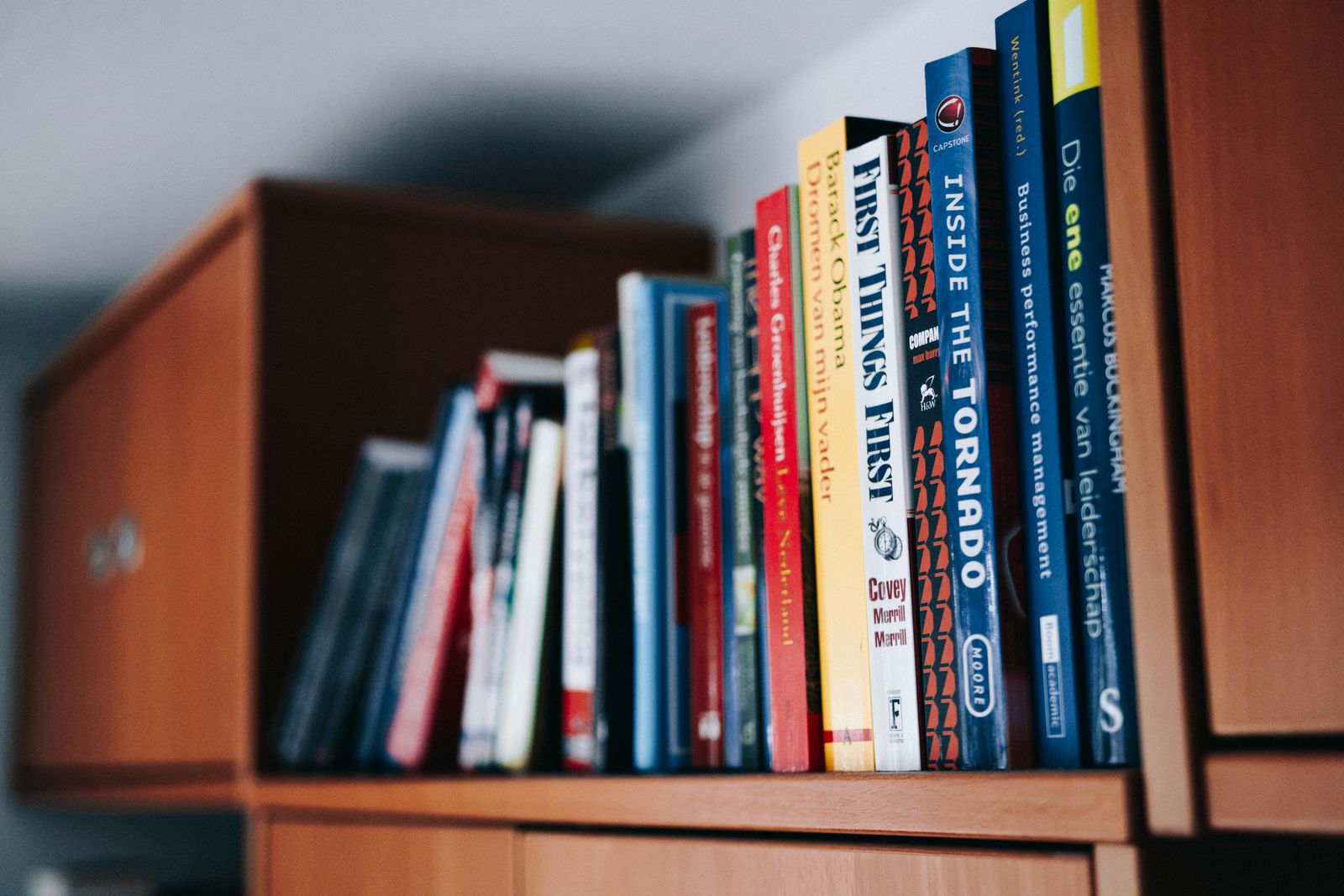
A good personal library isn’t measured by how many books it holds. Fifty books you’ve read, return to and would lend to a friend say more than five hundred bought by the yard. Building a small but serious collection is mostly about choosing deliberately, buying the right editions, and letting go of what no longer earns its shelf space.
This guide covers how to decide what belongs, where to find good copies without overspending, what makes an edition worth keeping, and how to shelve and care for books so they last.
Decide what the collection is for
Before buying anything, be clear about why you want the books. Most personal libraries serve one or more of these purposes:
- Reading and rereading: books you return to for pleasure or perspective.
- Reference: cookbooks, field guides, a good dictionary, books on a craft or trade you practice.
- Lending: books you press into friends’ hands.
- Collecting: particular editions, authors or subjects you care about as objects.
Knowing which matter to you keeps the shelf from filling with impulse buys. A useful filter for any book: have you read it, will you realistically read it this year, or would you reread it? If the answer to all three is no, it probably doesn’t need to come home.
A simple structure for a small library
There’s no required reading list, and a collection built to impress usually looks it. A loose framework helps keep things balanced, though:
- Books that shaped you. The novels, histories or essays you think about years later. These are the core.
- A few enduring classics you’ve actually read. Older works that have stayed in print for generations, in good translations or editions.
- Useful non-fiction. Books on subjects you care about: history, science, business, cooking, travel, a craft.
- Books on things you do. Reference books for your hobbies and work are often the most used books in a house.
- A small “to read” shelf. Keep it short. A long unread pile turns into guilt rather than motivation.
Where to find good copies
New books are easy to find, but some of the best buys are secondhand.
| Source | Good for | Watch out for |
|---|---|---|
| Independent bookstores | New releases, recommendations, special orders | Full retail price, though many offer loyalty programs |
| Used bookstores | Older hardcovers, out-of-print titles, low prices | Condition varies; check spines and pages |
| Library and charity sales | Very low prices, surprising finds | Ex-library stamps and stickers; limited selection |
| Estate sales | Whole collections, older editions | Musty or water-damaged books; take time to inspect |
| Online used marketplaces | Specific titles and editions | Condition descriptions can be optimistic; buy from well-rated sellers |
When buying used, open the book. Check that the spine isn’t cracked or leaning, the binding is tight, pages aren’t loose, and there’s no mildew smell or water staining. A musty book can spread odor to its neighbors.

What makes an edition worth keeping
Not every copy of a book is equal. For the books you plan to keep for decades, a few qualities matter:
- Sewn bindings. In a sewn (Smyth-sewn) hardcover, pages are stitched in groups called signatures. Look at the top of the spine: if you see small bundles of folded pages, it’s likely sewn. These open flatter and hold together longer than glued “perfect” bindings.
- Paper quality. Acid-free paper resists yellowing and brittleness. Many quality publishers note it on the copyright page.
- A good translation or edition. For classics, the translation often matters more than the binding. Read a page or two of different versions in a shop and pick the one you can actually read.
- Readable type and margins. A cramped, tiny typeface makes a book harder to finish, no matter how handsome the cover.
- Cloth or durable covers. Cloth-bound hardcovers wear better than paper-covered boards.
Well-made paperbacks are fine for books you’ll read once or carry while traveling. Save money there and spend it on the books you’ll keep. The same logic applies to any purchase you want to last, as we cover in how to judge quality before you buy anything.
From experience: The lesson I learned from clothing applies here: quality items last, and they hold their value when you lose interest. A well-made hardcover you outgrow can be sold or passed on; a pile of disposable impulse buys mostly ends up in a donation box.
Edit regularly
A serious collection is one that gets curated. Once or twice a year, go shelf by shelf and ask whether each book still earns its place. Books you didn’t finish and won’t, duplicates, outdated reference books and gifts you never connected with can go to a friend, a used bookstore, a library sale or a little free library. Editing keeps the shelf honest and makes room for better books. The broader idea is the same one behind owning less but better.
Shelving and organizing
How to arrange books
There’s no correct system, only one you’ll keep up with. Common options:
- By subject: history, fiction, cooking, and so on. Practical and easy to browse.
- Alphabetical by author within each subject: best if you have more than a few shelves.
- By size: looks tidy and uses shelf space efficiently, but makes books harder to find.
- By color: striking, but almost impossible to search. Better for a small decorative shelf than a working library.
Shelving that holds up
Books are heavy. A full shelf of hardcovers can make thin particleboard sag over time. Solid wood or plywood shelves, shorter spans between supports, and adjustable shelf heights all help. For more on why construction matters, see the case for real wood furniture over particleboard. Leave some space on each shelf for growth and for a few books laid flat or an object to break up the rows.
Caring for books so they last
- Keep shelves out of direct sunlight, which fades spines and yellows paper.
- Avoid damp basements and exterior walls prone to condensation; aim for a steady, moderate room temperature and humidity.
- Shelve books upright and snug but not crammed, using bookends so they don’t lean.
- Pull a book from the shelf by the middle of the spine or by pushing in its neighbors, not by tugging the top of the spine.
- Dust shelves occasionally, and keep food and drink away from books you care about.
- Remove bookmarks, receipts and pressed flowers before shelving; they can stain pages over time.
A reading habit makes the library real
A collection only matters if the books get read. Keep the current book somewhere you’ll see it, like a bedside table or the arm of a favorite chair with a good reading lamp. Twenty minutes a day adds up to a substantial number of books in a year. Consider writing your name and the date you finished on the inside cover; years later, it becomes a quiet record of what you were thinking about.
Checklist
- Write down what your library is for: reading, reference, lending or collecting.
- Keep only books you’ve read, will read this year, or would reread.
- Buy used for older titles; inspect spines, bindings and smell.
- Spend more on sewn, well-printed editions of books you’ll keep.
- Edit the shelves once or twice a year.
- Use sturdy shelves away from sunlight and damp.
FAQ
How many books should a personal library have?
There’s no target number. A few dozen carefully chosen books you’ve read and value make a more serious library than hundreds you haven’t opened. Let it grow as your reading does.
Are hardcovers worth the extra money?
For books you’ll keep and reread, often yes, especially sewn hardcovers on good paper. For books you’ll read once or take traveling, a paperback is usually the better buy.
Should I keep books I haven’t read?
A short “to read” shelf is healthy. If a book has sat unread for several years and you no longer feel drawn to it, passing it on frees space for something you will read.
Updated November 2026. Some links on this site may be affiliate links; see our editorial policy.