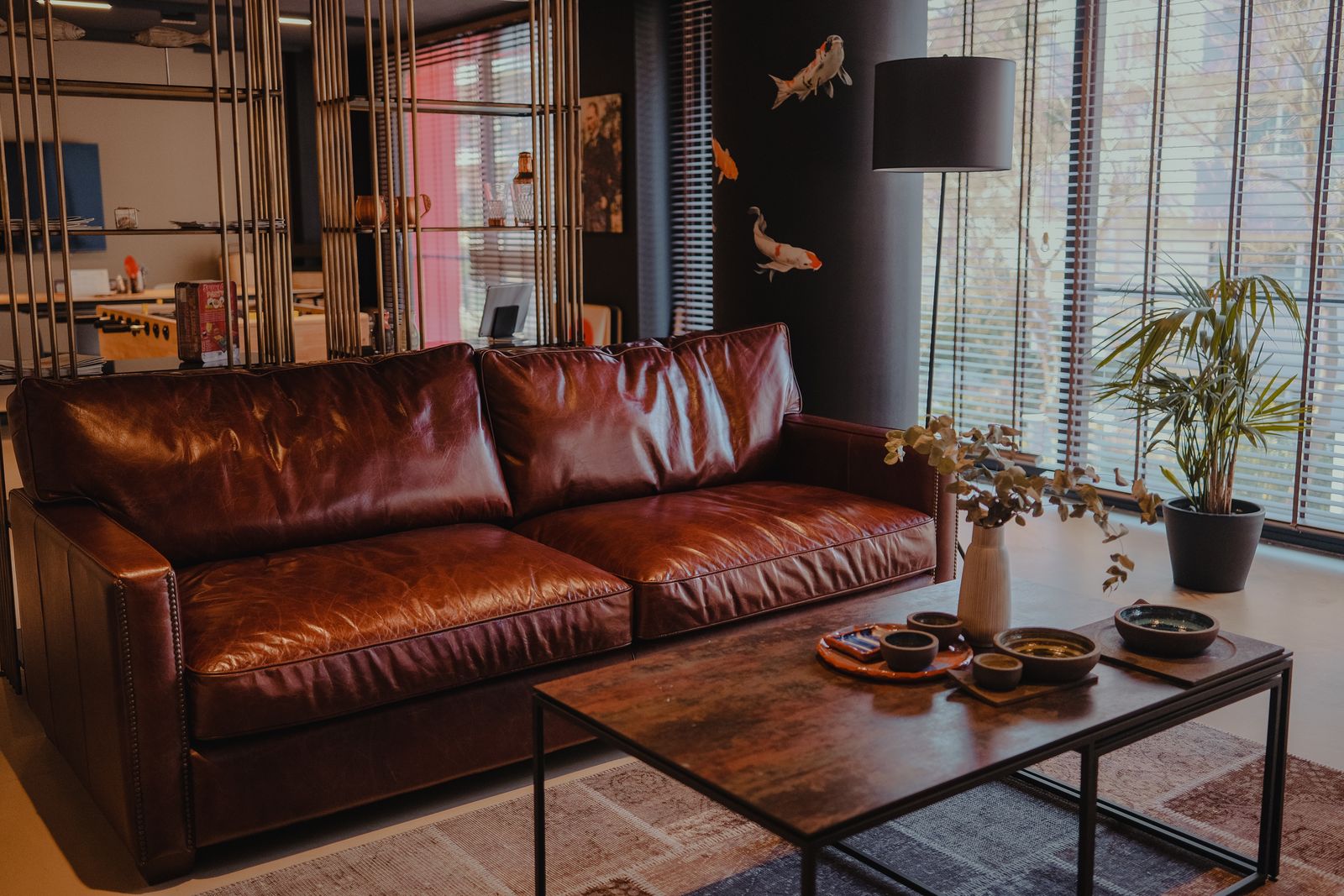
A sofa gets more daily use than almost any other piece of furniture you own. A well-made leather sofa can last for decades and often looks better after years of use, while a poorly made one can crack and peel within a few years. The difference is not the word “leather” on the tag. It is the type of leather, the frame underneath it and the way it is put together.
This guide covers when leather is the right choice, how to judge a sofa in the showroom or online, and how to look after it.

When leather makes sense, and when it does not
Leather is a strong choice if you want a sofa that is easy to wipe clean, does not hold pet hair or dust the way fabric does, and ages in a way many people find attractive. It suits households that plan to keep a sofa for ten years or more.
It is a weaker choice if you dislike the feel of a cool surface in winter or a warm one in summer, if pets with sharp claws use the furniture, or if your budget only reaches the cheapest “leather” sofas, which are usually bonded or heavily corrected material that does not last. In that case a well-made fabric sofa with a removable, washable cover is often the better buy.
Understand the leather types
Leather labels are confusing, and some are designed to be. These are the terms that matter:
| Term | What it means | How it wears |
|---|---|---|
| Full-grain | The outer surface of the hide, with natural grain intact | Most durable; develops patina; shows natural marks |
| Top-grain | Outer layer lightly sanded and finished | Durable and more uniform; slightly less character |
| Corrected grain | Surface sanded heavily and embossed with an artificial grain | Uniform look; quality varies widely |
| Split leather | Lower layer of the hide, usually coated | Less durable; often used on sides and backs |
| Bonded leather | Leather scraps mixed with binders and coated in polyurethane | Prone to peeling and flaking; avoid for a long-term sofa |
Be wary of “genuine leather” on its own. It confirms the product contains leather but says nothing about which layer or how much. Ask whether leather is used on all surfaces or only where you sit; many sofas use vinyl or split leather on the back and sides to save cost.
Finish: aniline, semi-aniline or protected
- Aniline leather is dyed through with little or no surface coating. It feels the softest and ages most visibly, but it stains and scratches easily.
- Semi-aniline has a thin protective coat. It is a good middle ground for most homes.
- Pigmented or protected leather has a surface coating that resists spills, sunlight and scratches better. It is the practical choice for families and pets.
Check what is under the leather
Leather can outlast a weak frame, so the construction matters as much as the hide.
- Frame: look for kiln-dried hardwood, with joints that are glued, doweled or screwed and reinforced with corner blocks. Avoid frames made mostly of particleboard or stapled softwood. Our guide to real wood versus particleboard explains why.
- Suspension: eight-way hand-tied springs are the traditional premium option; sinuous (zigzag) springs are common and durable when well installed; webbing alone tends to sag sooner.
- Cushions: high-resilience foam holds its shape well. A foam core wrapped in fiber or down feels softer but needs regular plumping.
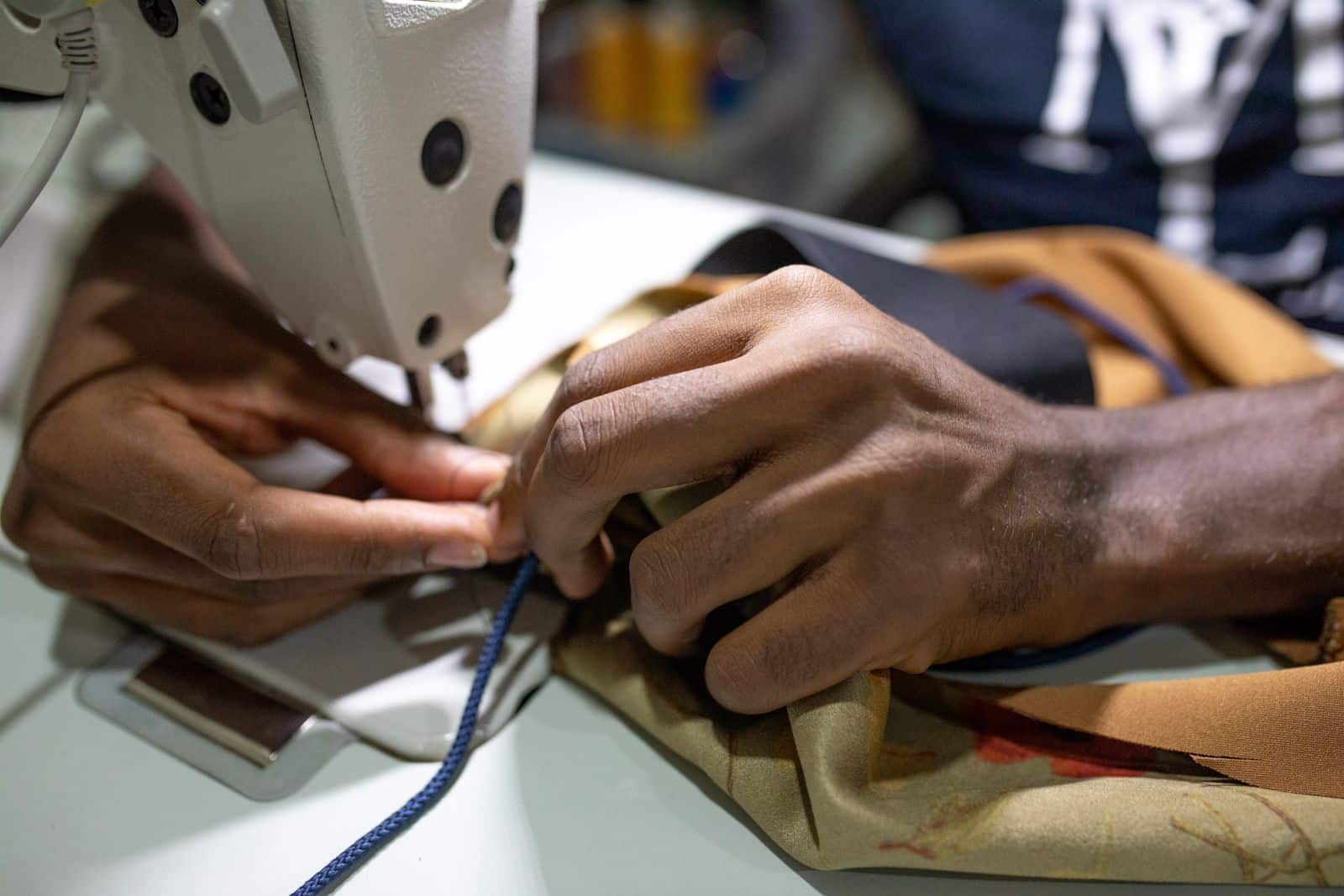
- Stitching and seams: straight, tight, even stitching with no loose threads. Check corners and arms, where tension is highest.
Lift one front corner of the sofa a few inches. A sturdy frame lifts as a unit; a weak one twists or creaks.
From experience: My own style has become simpler and less about brands. What matters is the material, the workmanship and how it feels. That is exactly how I would judge a sofa: sit on it, feel the leather, look at the seams, and ignore the label.
Choose a size and style you will keep
A sofa you plan to keep for twenty years should outlast trends. Simple shapes such as a Chesterfield, a tuxedo arm, a classic club style or a clean mid-century design have stayed in use for decades and work in many rooms. Heavily stylized pieces can date quickly.
Measure before you shop. Note the room, the doorways, stair turns and elevator you will need to get it through. Leave about 18 inches between the sofa and a coffee table and keep walkways clear. Seat depth matters for comfort: shallower seats suit upright sitting and shorter people, while deeper seats suit lounging.
Color affects how leather ages. Browns, tans and cognac shades hide wear and develop a visible patina. Black is forgiving of stains but shows dust and scratches. Very light colors look sharp in a showroom and pick up denim dye and marks at home.
The cost argument
A quality leather sofa costs more up front than most fabric or bonded-leather alternatives. The case for it rests on lifespan. If one sofa serves for fifteen or twenty years and a cheaper one needs replacing every four or five, the better sofa can cost less per year of use. The cost-per-use approach is a useful way to compare them honestly.
Secondhand is also worth a look. Good leather sofas are heavy and hard to move, so owners often sell them at a fraction of the original price. Inspect for cracks along cushion edges and arms, dried or faded areas, and frame wobble before buying.
How to care for a leather sofa
- Dust or vacuum with a soft brush attachment regularly.
- Wipe spills immediately with a clean, dry or slightly damp cloth. Blot, do not rub.
- Keep it out of direct sunlight and away from radiators and heating vents, which dry and fade leather.
- Condition it occasionally with a product recommended by the maker for that finish. Aniline leather usually needs more care than protected leather.
- Avoid household cleaners, solvents and baby wipes, which can strip finishes.
- Test any new product on a hidden spot first.
Showroom checklist
- Confirm the leather type and whether it covers every surface
- Ask about the frame material and joinery
- Ask about the spring system and cushion fill
- Sit in every seat, including the corners
- Lift a corner to check for twisting
- Check the stitching on arms and seat edges
- Ask what the warranty covers for frame, springs and leather separately
FAQ
How long should a good leather sofa last?
With a solid frame and quality leather, many last well over a decade and often much longer. Cheap bonded-leather sofas may start peeling within a few years.
Is leather a good choice with cats or dogs?
Leather does not hold hair or odors the way fabric can, but claws can scratch it. Pigmented or protected leather and trimmed nails make a big difference.
Does leather crack over time?
Leather cracks when it dries out, usually from sun or heat exposure and lack of care. Regular dusting and occasional conditioning prevent most cracking.
A leather sofa fits the broader idea that owning less but better is the smarter long-term choice.
Updated November 2026. Some links on this site may be affiliate links; see our editorial policy.